
Career Growth vs Promotion: Navigating the Sweet Trap of Corporate Definitions
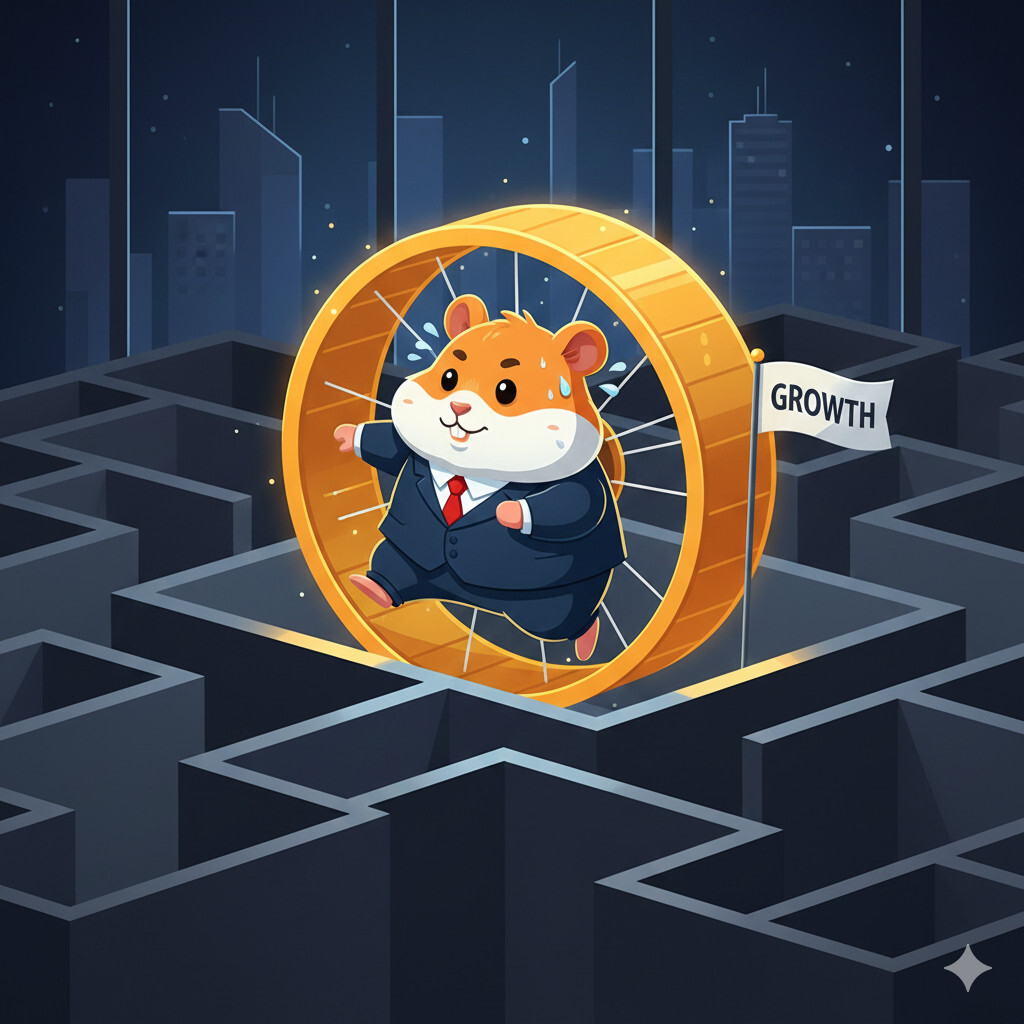
The debate between career growth vs promotion has recently become a central theme in my professional life. A few days ago, my company organized an HR training session specifically focused on “Growth” and its direct link to career advancement. After a recent internal survey showed low scores for growth opportunities, a specialized team from headquarters visited our regional office to address the issue. I joined the session with a positive attitude, thinking, “Good job, they are finally trying to fix this.”
The session itself was actually quite insightful, offering a broader view of the corporate landscape. However, as the presentation continued, a nagging doubt began to surface. I started to wonder if this was truly about navigating corporate HR training for our benefit, or if it was a sophisticated way to reshape our expectations to fit the company’s agenda.
The HR Perspective on Career Growth vs Promotion
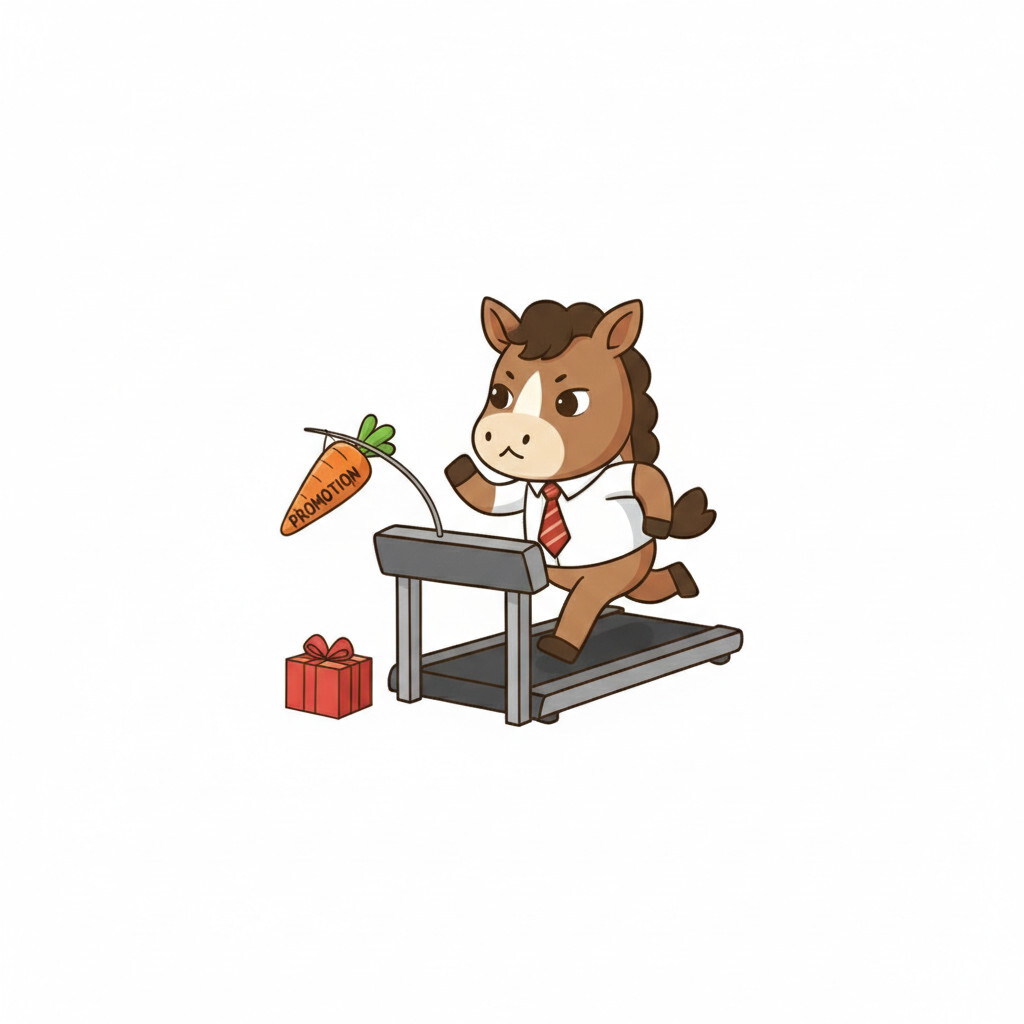
The core message from the HR team was clear: “Growth is a journey of new experiences; it is not synonymous with promotion.” Since the survey highlighted a lack of advancement opportunities, HR concluded that employees were simply confusing career growth vs promotion.
While I could agree that learning new skills is a form of growth, I couldn’t help but feel skeptical. Is it really possible to separate our desire for self-improvement from the reward of moving up the social and professional ladder? Using professional development strategies as a reason to delay tangible rewards felt like a high-level corporate tactic.
Challenges of Career Advancement in the AI Era
In today’s fast-paced environment, career advancement in the AI era is becoming increasingly complex. My company is currently pushing for efficiency through regionalization and AI integration. While they encourage us to develop new skills, the organizational structure is becoming slimmer, often prioritizing external hires over internal moves.
In such a stagnant environment, being told that “you can grow in the same role by changing your perspective” feels somewhat empty. Although reports from the OECD highlight the necessity of upskilling, it often feels like the company is using this to politely silence our demands for actual promotions. Ten years in the same role with the same title—can that really stay “fresh” just by changing one’s mindset?
Implementing Mindful Career Planning for Employees
After reflecting on the session, I decided to adopt a more proactive approach through mindful career planning for employees. First, I will stop viewing growth only through the lens of promotion, but I will use the company’s own definition of “new experiences” as leverage. During my next performance dialogue, I plan to push for high-impact projects that actually enhance my resume.
Secondly, I refuse to let go of the idea that a promotion is a vital validation of my progress. Whether it is a new title or a different role, I will stay alert and apply whenever an opportunity arises. Taking charge of your own professional development strategies means not waiting for the company to hand you a ladder, but building one yourself.
Strategic Professional Development Strategies for the Future

Ultimately, succeeding within a large organization requires more than just hard work; it requires a strategic response. By navigating corporate HR training effectively, we can identify what the company values most and align it with our own goals. If the company emphasizes “new experiences,” use that as a chance to upgrade your skills while keeping your eye on your ultimate career target.
We cannot change a company’s entire philosophy, but we can understand the rules of the game. My version of mindful career planning for employees is to embrace the growth offered by the company while remaining the master of my own destiny. The fruits of that growth should ultimately be used to open the doors that I choose to walk through.
How do you feel about the company’s definition of “growth without promotion”? Are you finding ways to build your own ladder in this shifting landscape?
Recommended if you want to avoid from burnout from your work life: