
Who is Kevin Warsh? Why a ‘Coupang Director’? Behind the Gold and Silver Crash 2026 Following Trump’s Kevin Warsh Nomination
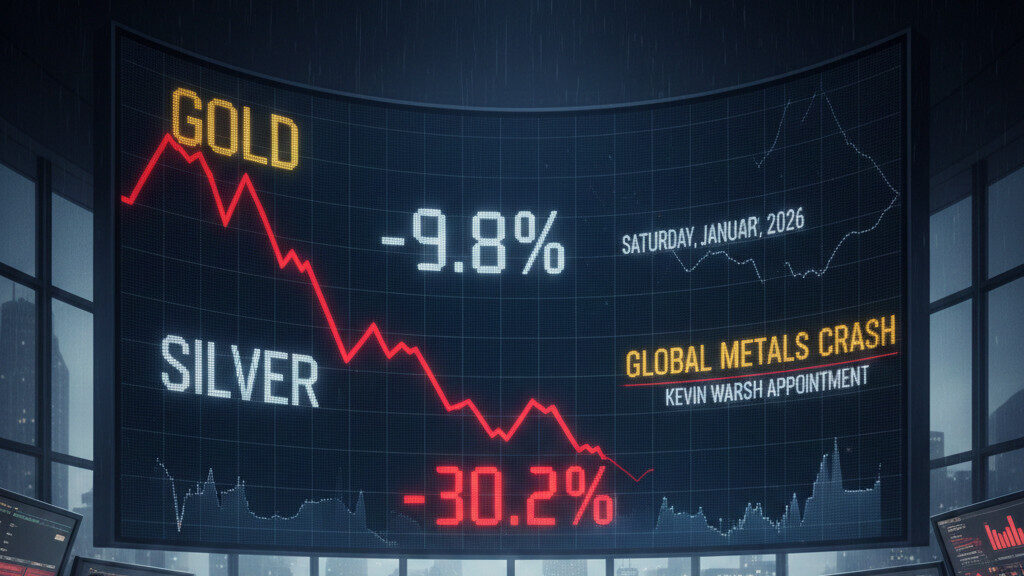
The global financial markets just experienced a “Black Swan” moment that left veteran traders and casual investors alike in a state of shock. Precious metals—traditionally the ultimate “safe haven”—saw their values evaporate overnight. Gold prices plummeted nearly 10%, while silver suffered a staggering 30% crash. This market earthquake coincided with a single announcement: The nomination of Kevin Warsh, a former Federal Reserve governor and current board member at Coupang, as the next Fed Chair.
For many, the “Coupang” connection might seem like a quirky trivia point. However, in our household, it hits close to home. My wife and I have spent countless evenings debating whether we should continue using Coupang, especially following recent data privacy concerns. We’ve found ourselves asking if there are more reliable or affordable alternatives, yet like many consumers in Korea, we remain undecided. Furthermore, as Coupang is a foreign-owned entity, I’ve often wondered how—or even if—the ongoing domestic regulatory issues will truly be resolved.
In my view, seeing a board member from a company so central to our daily lives rise to the helm of the world’s most powerful economic institution is not just fascinating—it is a signal of a new “Aggressive Pragmatism” in global finance.
Beyond the Boardroom: The Rise of a Financial Strategist
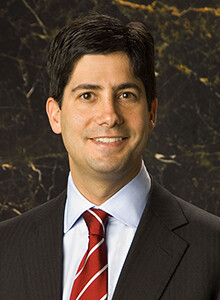
While recent headlines emphasize his role as a director at Coupang, Kevin Warsh is far from a Silicon Valley outsider. Kevin Warsh is a heavyweight of the financial establishment. At age 35, he became the youngest person ever appointed to the Federal Reserve Board of Governors. Kevin Warsh was a central “firefighter” during the 2008 Global Financial Crisis, working alongside Ben Bernanke to prevent a total systemic collapse.
Warsh is the quintessential insider—married into the Estée Lauder dynasty and possessing an intimate understanding of both Wall Street’s greed and Washington’s power plays. Trump’s selection of Warsh isn’t just about picking a loyalist; it’s about choosing a brilliant strategist who understands how to weaponize economic policy.
The Anatomy of a Crash: Why King Dollar Toppled Gold
To understand why precious metals tanked, we have to look at the relationship between the U.S. Dollar and “Real Yields.” Gold and silver are unique assets because they don’t pay dividends or interest. They are, in essence, “non-productive” stores of value. When interest rates on “safe” assets like U.S. Treasuries rise, the opportunity cost of holding gold becomes too high.
The market’s reaction to Warsh was immediate: The Return of the King Dollar. Investors interpreted the nomination as a signal that the U.S. would prioritize a high-interest-rate, high-growth environment. Warsh has historically been skeptical of “easy money” policies and has argued that Trump’s proposed tariffs might not be as inflationary as the mainstream media suggests. As the Dollar index shot up like a rocket, gold and silver—priced in those very Dollars—were crushed under the weight of a strengthening greenback.
For real-time updates on these shifts, keeping a close eye on Bloomberg Markets is essential for any serious investor.
The Warsh Dilemma: Trump’s Proxy or Independent Architect?
Wall Street is currently debating which version of Kevin Warsh will take the lead. One scenario sees him as a “Remote Control” Chair, facilitating the president’s desires for lower rates to spark short-term growth—a move that could eventually lead to currency debasement and a future gold rally. However, the market currently fears the “Data-Driven Hawk.” In this scenario, Warsh maintains high rates to combat inflation and protect the Dollar’s integrity, even if it causes pain in the commodities market.
The Global Ripples: A “Vacuum Effect” in Emerging Markets
The “Warsh Shock” is far more than a localized U.S. or Korean narrative; it signals a potential “New Normal” for the entire global economy. When the Fed maintains a hawkish, high-interest stance, it creates a powerful vacuum effect, sucking liquidity out of emerging markets across Asia, Latin America, and Europe and pulling it back to U.S. shores. This often forces central banks worldwide to keep their own interest rates painfully high just to prevent their currencies from collapsing—a struggle we see reflected in the “1,500 KRW Exchange Rate” anxiety in Korea.
As my wife and I currently live in the U.S. and earn our income in Dollars, we witness this shift from a unique vantage point. While a strong Dollar might seem like a benefit for those earning it, we are hyper-aware that its dominance often comes at the cost of global stability. Monitoring the Dollar’s trajectory is a daily necessity for us, as it dictates the cost of living and the health of the international markets we invest in. This nomination serves as a sobering wake-up call for any investor—whether in Seoul, London, or New York—who was banking on a rapid return to “cheap money.”
Portfolio Survival: Navigating the Era of Tighter Liquidity
The era of “free money” is over. To thrive in the Warsh era, investors must prioritize liquidity and quality. Dollar-denominated assets and “Big Tech” firms with massive cash reserves will likely be the safest harbors. Most importantly, do not “catch the falling knife” with gold and silver; wait for the Dollar’s trajectory to stabilize before looking for a floor.
The nomination of Kevin Warsh represents a proactive shift toward strategically aggressive U.S. economic policy. Whether he acts as a data-driven hawk or a growth-focused ally, the message is clear: the rules of the safe-haven game have changed. In 2026, only those who adapt to the reality of a “Strong Dollar” policy will successfully protect their wealth.
The New Economic Guard
Ultimately, the nomination of Kevin Warsh represents a fundamental shift in how the U.S. intends to manage its dominance. It is a move away from the “reactive” policy of the Powell era toward a more “proactive,” strategically aggressive stance. The gold and silver crash was merely the market’s way of saying, “We hear you loud and clear.”
Whether you are a retail investor or a seasoned pro, the message is the same: The “Warsh Shock” is a wake-up call. The rules of the safe-haven game have changed, and only those who adapt to the reality of a “Strong Dollar Forever” policy will thrive in the coming years.
Life is full of unexpected shifts, and this global “vacuum effect” on liquidity is a testament to how interconnected our world has become. As my wife and I navigate our daily lives in the U.S., earning in Dollars, we believe that staying anchored in a macro-level perspective is more critical than ever. We believe that instead of being swayed by market noise, one must build a solid economic foundation tailored to their unique circumstances. Watching my wife embark on her ‘Newborn Project’ has reinforced our belief that in a world of volatile currencies and shifting powers, the ultimate strategy is the courage to adapt and the clarity to see the bigger picture.
To stay ahead of the official policy shifts and the FOMC’s upcoming schedule under this new leadership, I highly recommend monitoring the Board of Governors of the Federal Reserve System, which provides the primary source of truth for global monetary policy.
If you have any thoughts on how the “Warsh Era” will impact your portfolio, let’s discuss it on my [Contact] page.
Read More on Economy & Trends: