

How to get rich? Why You’re Still a “Slave” to Luxury: Rolex, Chanel, and the Trap of Fake Wealth

How to get rich? Everyone dreams of financial independence, yet most people are subconsciously working against themselves. We live in a world where looking rich has become more important than actually being rich. The flash of a Rolex, the prestige of a Chanel bag, and the curated photos of fine dining on social media have become the modern “uniform” of success. However, for the majority, these are not rewards for success—they are the very shackles keeping you as a permanent “slave” to the capitalist machine.
If you find yourself stuck in a cycle of earning just to spend, it is time for a brutal reality check. Today, we dive deep into the psychology of consumerism and the essential wealth mindset habits required to break free.
The Veblen Effect: Why We Buy Things We Don’t Need
The psychological trap of luxury starts with what economists call the “Veblen Effect.” This occurs when the demand for a good increases as its price rises, simply because it serves as a status symbol. In our digital age, this has been magnified by social media. We are no longer competing with our neighbors; we are competing with a global feed of influencers.
When you buy a luxury item on credit or before you have a solid investment base, you are essentially committing “financial suicide.” The moment you walk out of a boutique with a designer bag, its value begins to depreciate. Meanwhile, that same capital, if placed into an income-producing asset, would have started compounding. How to get rich is not about how much you earn, but how much of that earning you can convert into “soldiers” (dollars) that work for you while you sleep.
Differentiating Assets vs. Liabilities: The Key to Escaping the Rat Race
To master escaping the rat race, you must become fluent in the language of money. As Robert Kiyosaki famously stated in Rich Dad Poor Dad, the rich buy assets while the poor buy liabilities that they think are assets.
- Real Assets: Stocks that pay dividends, rental properties, businesses, intellectual property, and high-yield savings accounts. These put money into your pocket.
- Liabilities disguised as luxury: High-interest car loans for a Mercedes, credit card debt for designer clothes, and expensive club memberships. These take money out of your pocket.
Most people are trapped in a “high-income, low-net-worth” cycle. They get a raise at work and immediately upgrade their lifestyle—buying a better car or a more expensive watch. This is known as lifestyle inflation. To achieve true freedom, your wealth mindset habits must prioritize the accumulation of assets over the display of wealth.
Pro Tip: For those looking to track their net worth and understand debt management, theU.S. Consumer Financial Protection Bureauoffers excellent free resources and calculators to help you visualize your path to stability.
The Three Critical Financial Freedom Stages
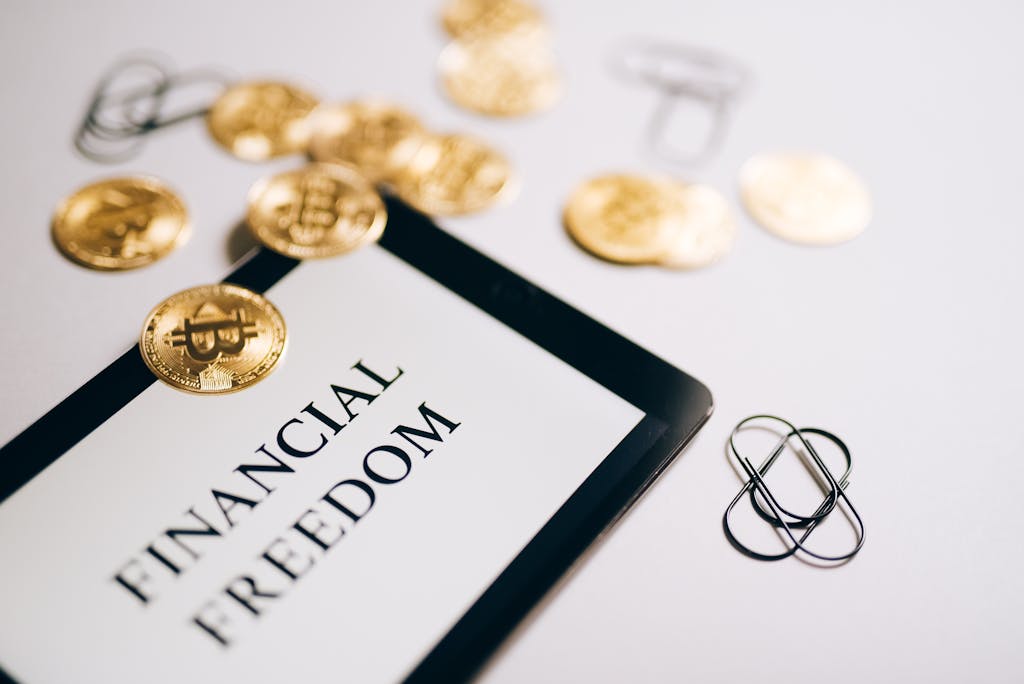
Achieving financial freedom stages is a marathon, not a sprint. It requires the “Delayed Gratification” mindset—the ability to resist a small reward now for a much larger reward later.
- The Survival & Seed Stage: This is the hardest part. It requires cutting expenses to the bone to save your first “seed money” (e.g., $10,000 or $100,000). Buying luxury during this stage is like eating your seeds before they can be planted.
- The Accumulation & Growth Stage: Here, your seed money is invested in the market. You begin to see the “Magic of Compounding.” At this stage, you might feel rich on paper, but you must remain disciplined to let the capital grow.
- The Mastery & Freedom Stage: This is the goal. Your investments generate enough passive income to cover your desired lifestyle. Now is the time a billionaire buys a Rolex—not with their labor, but with the “overflow” of their investments.
Why “Looking Rich” is the Greatest Enemy of “Being Rich”
The truly wealthy often practice “Stealth Wealth.” Think of Warren Buffett living in the same house he bought in 1958 or Mark Zuckerberg’s simple gray t-shirts. They don’t need to prove their status to strangers because their bank accounts provide a level of security that no brand name can match.
When you obsess over consumerism and wealth, you are effectively trading your life force (time spent at a job you might hate) for a logo. If you spend $5,000 on a watch, you aren’t just spending $5,000; you are spending the 200 or 300 hours of your life it took to earn that money after taxes. Is a piece of jewelry worth 300 hours of your freedom? For a “slave” to the system, the answer is usually yes. For a future master of capital, the answer is always no.
Cultivating the Ultimate Investment Mindset
The final step in how to get rich is changing your relationship with money from a “consumer” to an “owner.” Every time you buy a product, ask yourself: “Would I rather own this product, or would I rather own the company that makes it?”
Instead of buying a new iPhone every year, buy Apple stock. Instead of a $100 dinner every weekend, invest that $400 a month into an S&P 500 index fund. In 20 years, those dinners will be forgotten, but that investment could be worth hundreds of thousands of dollars. True wealth mindset habits involve seeing every dollar as a potential employee. If you spend it, that employee is gone forever. If you invest it, that employee will eventually hire more employees for you.
Will You Choose the Shackle or the Key?
The choice is yours. You can continue to chase the dopamine hit of a new luxury purchase, staying tethered to a desk and a paycheck for the rest of your life. Or, you can choose the path of discipline, sacrifice, and education.
Consumerism and wealth are at constant war. By choosing to build assets over buying labels, you are picking up the key to your own cage. Stop being a billboard for brands that don’t care about you. Start being the CEO of your own life. The road to financial freedom stages is open to anyone willing to stop pretending and start building.