
Elon Musk’s Chillingly Accurate Prediction: “The Next Crisis After Semiconductors is THIS”
Elon Musk, the visionary behind Tesla and SpaceX, has built a reputation for predicting economic and technological shifts long before they become mainstream. Whether it was the mass adoption of electric vehicles (EVs) or the viability of reusable rockets, his insights have often transformed from “crazy ideas” into the pillars of the modern economy. Recently, Musk issued a stark warning that is sending ripples through Silicon Valley and Wall Street: “The shortage of AI chips is just the beginning. The next, much larger bottleneck will be electricity.”
Today, we will dive deep into why Musk believes energy will be the most precious resource of the 2026 economy and explore how the AI Energy Crisis is creating a massive wave of Power Infrastructure Investment.
Beyond the Chip Shortage: The Looming Power Shutdown
During recent industry conferences, including Bosch Connected World, Elon Musk stated: “Last year it was a shortage of chips (neural net chips). The next shortage will be electric transformers, and the one after that will be electricity itself.”
The logic behind these Elon Musk Predictions is simple yet terrifying. The explosion of Generative AI, led by models like ChatGPT, requires an astronomical amount of power. A single AI-driven search query consumes roughly ten times the electricity of a traditional Google search. As tech giants scramble to build massive data centers, the demand for power is skyrocketing, but the pace of power plant construction and grid expansion is lagging decades behind. We are entering an era where having the world’s fastest AI chips will be useless if there is no “fuel” (electricity) to run them.
The Critical Bottleneck: Why Transformers and the Grid are Failing
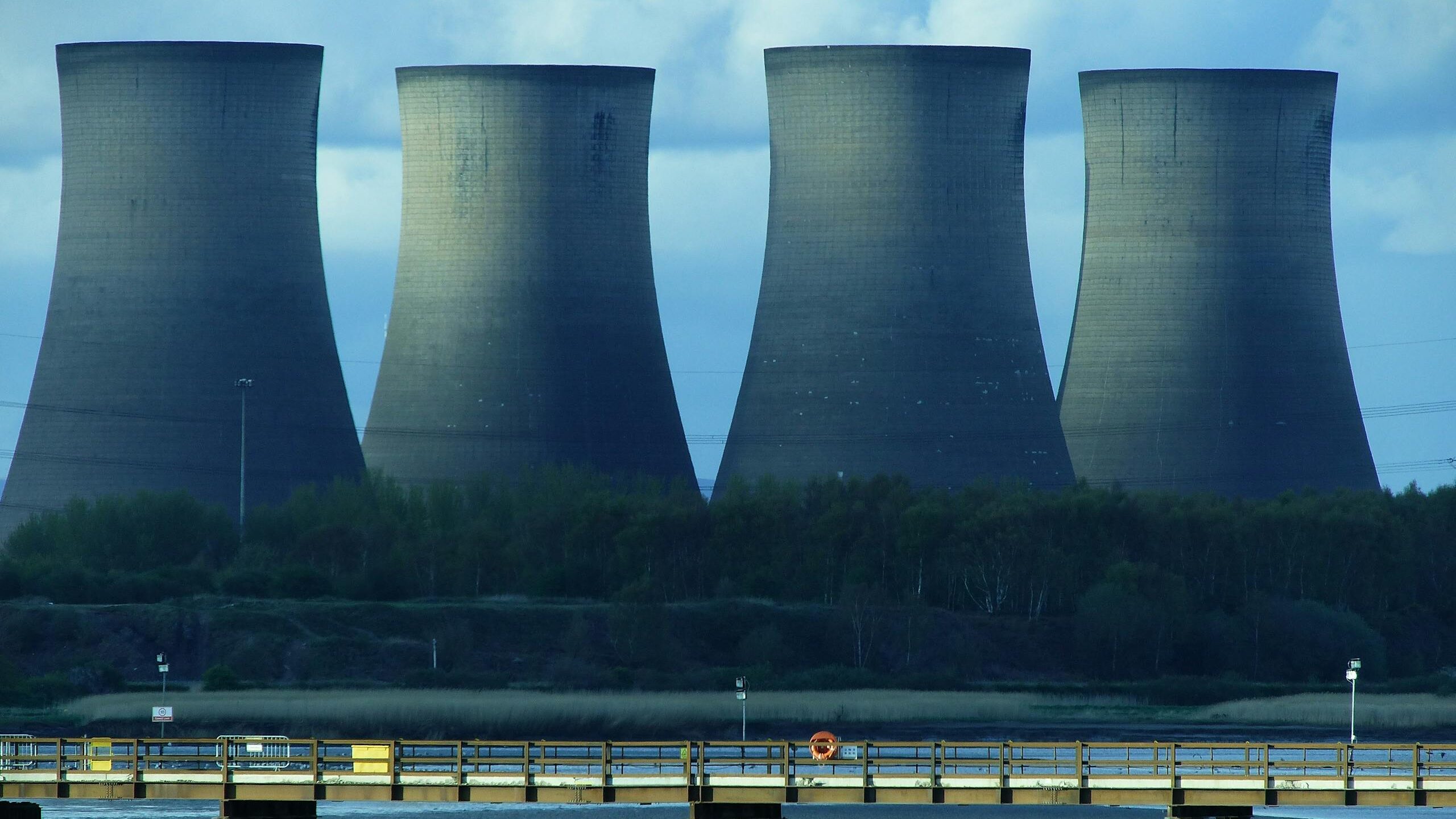
Musk’s specific mention of “transformers” highlights a physical reality most investors overlook. Transformers are the essential hardware that converts high-voltage electricity from power plants into the usable voltage for data centers and homes. Currently, the global electrical grid is composed of aging equipment that was never designed for the digital age.
- Supply Chain Deadlock: The lead time for large power transformers has jumped from months to years due to a shortage of electrical steel and skilled labor.
- The Grid Modernization Pressure: According to the Electrical Transformer Shortage outlook, the world needs to replace or add over 80 million kilometers of power lines by 2040 to handle the dual demand of AI and EVs.
- Renewable Energy Hurdles: Solar and wind energy are intermittent. Without a modernized grid and smart transformers, we cannot effectively integrate green energy into the system without causing massive blackouts.
This physical limitation represents a “once-in-a-century” boom for infrastructure companies.
Global Insight: For a detailed breakdown of global energy demand and grid infrastructure statistics, you can refer to theInternational Energy Agency (IEA) World Energy Outlook.
The Convergence of AI and EVs: V2G and ESS Solutions
Elon Musk isn’t just complaining about the crisis; he is positioning Tesla’s energy division to solve it. He envisions a future where energy is decentralized. This leads us to one of the most significant Future Growth Industries: Energy Storage Systems (ESS) and Vehicle-to-Grid (V2G) technology.
The concept is simple: store excess solar energy in massive batteries (like Tesla’s Megapack) during the day and discharge it during peak demand at night. Furthermore, the millions of electric vehicles parked in garages can act as a “Distributed Virtual Power Plant.” Your car becomes a battery that supports the city’s grid when AI data centers are pulling maximum power. Musk’s foresight suggests that Tesla may eventually be valued more as an energy platform than a car manufacturer.
4 Sectors Investors Must Watch for 2026
To capitalize on these shifts, savvy investors should look beyond software and focus on the “physical layer” of the AI Economic Transformation.
- High-Voltage Equipment & Cables: Companies manufacturing transformers and subsea power cables are sitting on record-breaking order backlogs.
- Copper & Raw Materials: Copper is the “blood” of the electrical grid. As the world electrifies, the demand for copper is expected to outstrip supply, making it the “new oil” of the 21st century.
- Small Modular Reactors (SMRs): Nuclear energy is making a comeback. SMRs provide a carbon-free, 24/7 power source that can be placed directly next to AI data centers, bypassing the fragile public grid.
- AI Efficiency & Cooling: Hardware that reduces the power consumption of AI chips and advanced liquid cooling systems will become mandatory as energy costs soar.
Cultivating a 2026 Investment Mindset
The transition to a high-power economy requires a shift in Power Infrastructure Investment strategies. We are moving away from the “software-only” era and back into an era where physical commodities and engineering matter.
If you are only looking at AI software companies, you are missing half the story. The “hidden winners” of the AI revolution are the companies that dig the copper, build the transformers, and generate the gigawatts. As the AI Energy Crisis worsens, these “boring” utility and infrastructure stocks may become the highest-performing assets in your portfolio.
Musk’s Warning as Your Opportunity
“Without electricity, there is no AI.” This isn’t just a catchy quote; it’s the fundamental reality of the next decade. Elon Musk’s prediction reminds us that technological progress is always bound by physical limits.
By understanding the importance of Power Infrastructure Investment and the looming Electrical Transformer Shortage, you can position yourself ahead of the curve. The 2026 economy will reward those who recognize that the most sophisticated AI in the world is ultimately powered by a simple plug in a wall. Don’t wait for the blackouts to start—look at the energy sector today.