
US Tipping Culture Vol. 2: The Truth Behind Tipflation and Survival Strategies
As a fashion MD living in the United States, I navigate the shifting landscape of consumer behavior every day. Lately, nothing has changed more rapidly—or more aggressively—than our expectations at the checkout counter, a phenomenon that has fundamentally altered the US Tipping Culture. While my previous post covered the structural basics of the system, today I want to dive into the controversy of Tipflation USA and the hidden psychological triggers behind digital payment screens. To truly master the modern US Tipping Culture without feeling overwhelmed, you need to recognize why these requests have become so persistent and how to reclaim your status as a sovereign consumer.
The Pandemic Legacy: Why Tipflation Persists
We must look at how the standard 15% tip was permanently replaced by a much higher baseline as a direct result of the pandemic-era shift in consumer psychology. During the COVID-19 lockdowns, tipping 20% to 25% became a form of community support for struggling businesses, yet these elevated percentages never retreated. This permanent hike has established a new “minimum” of 18% in many establishments, leaving both locals and travelers experiencing a significant sense of tip fatigue within the US Tipping Culture. Understanding this history is crucial for maintaining proper etiquette without feeling undue guilt.
The Trap of the iPad Screen: Digital Tip Pressure
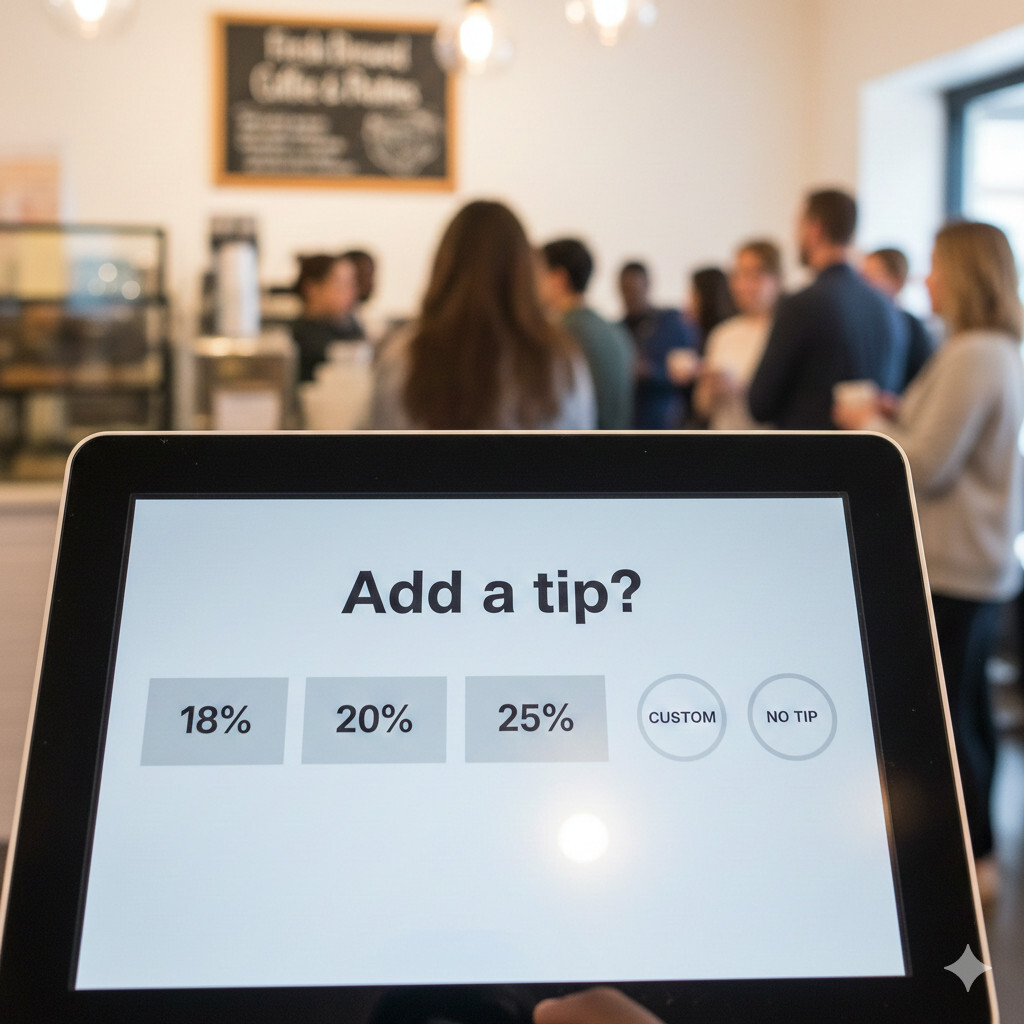
When you are asked for a tip at a kiosk or bakery, you are not just interacting with a staff member—you are navigating a system meticulously designed by payment processing companies. This digital evolution is a major part of the modern US Tipping Culture. These tech firms often collect fees based on the total transaction amount, including tips, which creates a massive financial incentive for them to make you tip more. By making the “No Tip” button smaller or harder to find, they trigger social pressure. Recognizing this design flaw helps you realize the pressure isn’t always about the service quality, but the software itself.
High-End Dining and Strategic Decision Making
In luxury restaurants, the financial pressure can be immense as the bill grows, making it crucial to understand the fine print before you sign your name. This strategic awareness is a vital skill in the US Tipping Culture.
- “Is it included?”: Always look for terms like ‘Gratuity Included’ or ‘Service Charge’ on the receipt. In high-traffic tourist areas, the tip is often already added to the bill. Always ask, “Is the tip included?” before swiping your card to avoid double-tipping.
- Breaking the Percentage Rule: You do not have to follow the suggested screen options. For standard service, don’t feel forced into 25% or 30%. Using the “Custom Tip” option is the sign of an informed consumer who knows how to navigate the US Tipping Culture rationally.
MD’s Pro-Tip: Zero Tipping and the Hidden Power of Cash
Based on my professional experience living here, I believe it is essential to set clear boundaries on where tipping actually adds value. This is how I manage my personal participation in the US Tipping Culture.
- Zero Tipping Zones: You are not obligated to tip for counter service, kiosks, food trucks, or takeout. If no table service is provided, you can confidently select “No Tip.”
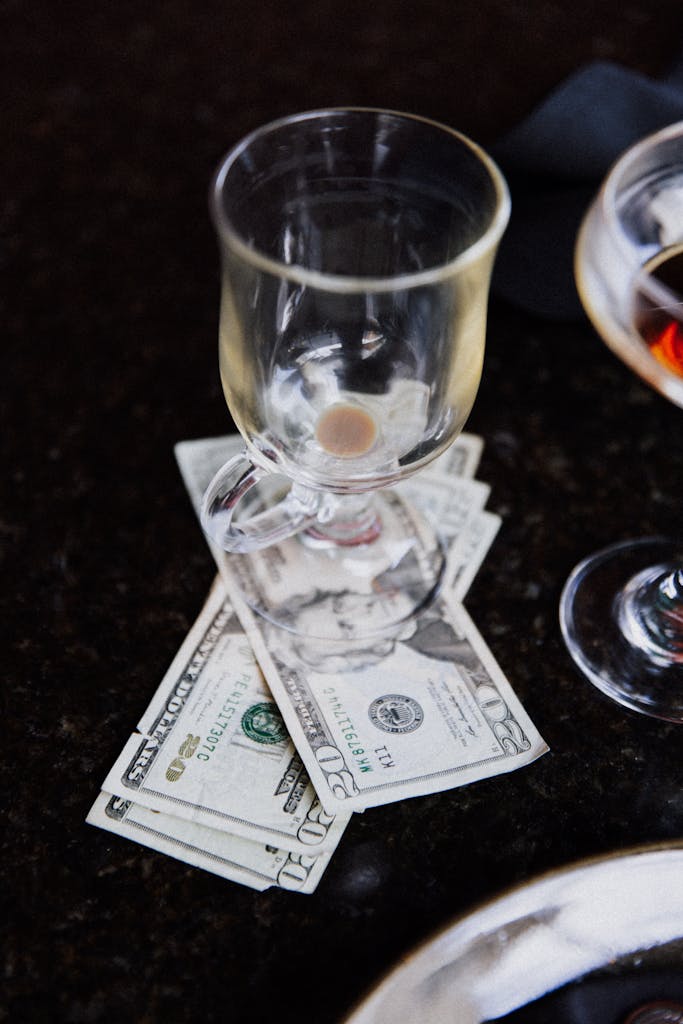
- The Power of Cash: If a worker provided exceptional service, give cash. Unlike card tips, cash goes directly to the employee without processing fees or delays. This is a highly effective way to show gratitude while bypassing the aggressive digital prompts of the modern US Tipping Culture.
Handling Aggressive Requests with Confidence: Asserting Your Rights
When faced with direct pressure, if a staff member becomes confrontational or forces a pre-set amount, stay calm and firm. This is where your consumer sovereignty matters most. You can simply say: “I will decide the tip amount myself.” Repeating this to yourself helps: “I will decide the tip amount myself.” It is a respectful but firm boundary that prevents you from being coerced into unfair expenses, ensuring you maintain a healthy relationship with the US Tipping Culture.
US Tipping Culture: Reclaiming Your Sovereignty in a Transitioning Culture
The US Tipping Culture is currently in a state of transition, and our independent choices as consumers will define the future of this system. While organizations like the National Restaurant Association argue that keeping food prices lower by having customers cover labor costs is beneficial, I personally find it questionable given how much food prices have already risen.
Furthermore, under the new “No Tax on Tips” policy, service workers take home a larger portion of their income than before. Despite this, the pressure on consumers to tip more continues to escalate. Tipping is meant to express gratitude; be happy to reward great service, but stand your ground against unnecessary pressure. Your independent choices will help create a healthier consumer environment within the US Tipping Culture for everyone.
Please check the first version to know everything about U.S. Tipping Guide.