
The Psychology of ‘Ghost Mode’: Why Not Posting is the New Ultimate Status Symbol
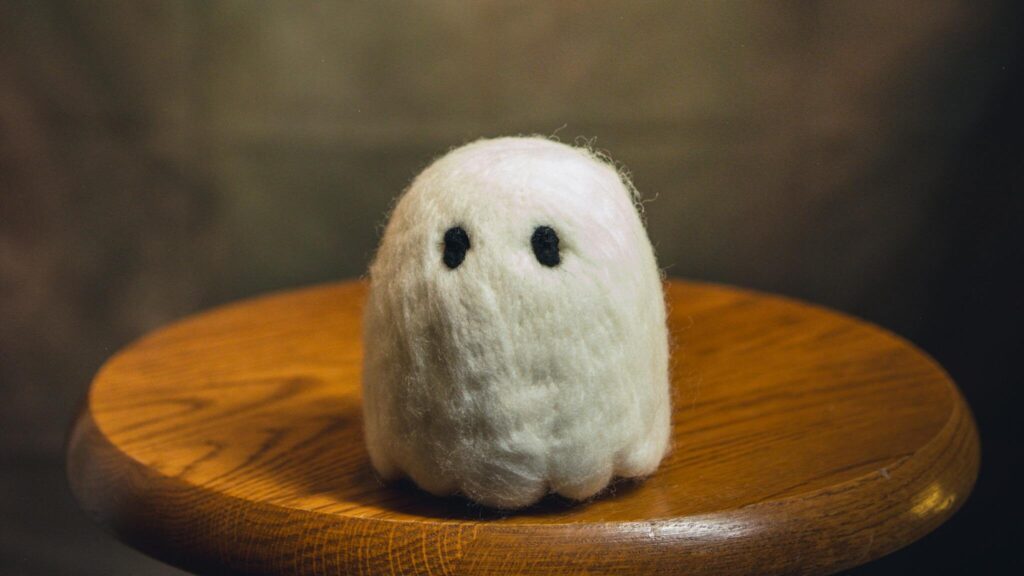
In an era of relentless digital noise, we have reached a tipping point. For the past decade, the cultural mandate was clear: “If you didn’t post it, did it even happen?” We’ve become a generation of amateur archivists, documenting every artisanal sourdough toast, every sunset, and every milestone for an invisible audience. But recently, a quiet revolution has emerged. This is the era of ‘Ghost Mode’—or what trend forecasters call ‘Posting Zero.’
You’ve likely noticed the profile: a private account, a default avatar or a vague landscape photo, and exactly zero posts. In the early 2010s, this might have signaled social irrelevance or a lack of tech-savviness. Today, however, having a “ghost” presence on social media has become a powerful status symbol. It signals a level of confidence and privacy that money—and certainly “likes”—cannot buy. Let’s dive into the deep psychology behind why the most influential people are choosing to disappear from our feeds.
The Scarcity Principle: Silence as a Luxury Good
In economics, value is driven by scarcity. When something is abundant, its value plummets. In 2026, digital content in social medias is the most abundant resource on earth. Everyone is an influencer; everyone is a content creator. When everyone is shouting for attention, the person who remains silent becomes the most intriguing figure in the room.
Choosing Ghost Mode is an exercise in the ‘Scarcity Principle.’ By withholding information about your private life, you create a vacuum of mystery. In Western high society, there is an old adage: “High people, low profiles.” Not posting signals that your life is so inherently fulfilling that you don’t require the dopamine hit of a stranger’s validation. It suggests that your “High-Value” experiences are for your eyes only, making your attention a luxury good rather than a free commodity.
The Power of the Observer: Flipping the Panopticon
The philosopher Jeremy Bentham once described the ‘Panopticon’—a prison where inmates never knew when they were being watched, so they behaved as if they were always under observation. Social media has turned the world into a digital Panopticon. When we post, we submit ourselves to the judgment of the “central tower” (the public). We curate our lives, edit our flaws, and perform for the algorithm.
However, those in Ghost Mode occupy the position of the observer. They have the “Power of the Gaze” without the vulnerability of being seen. They can keep up with global trends, stay informed about their social circles, and observe the cultural zeitgeist without giving away a single piece of their own data. This information asymmetry creates a psychological power dynamic. In a world where data is the new oil, keeping your data private is the ultimate flex of autonomy.
Digital Quiet Luxury and the ‘Off-Grid’ Flex
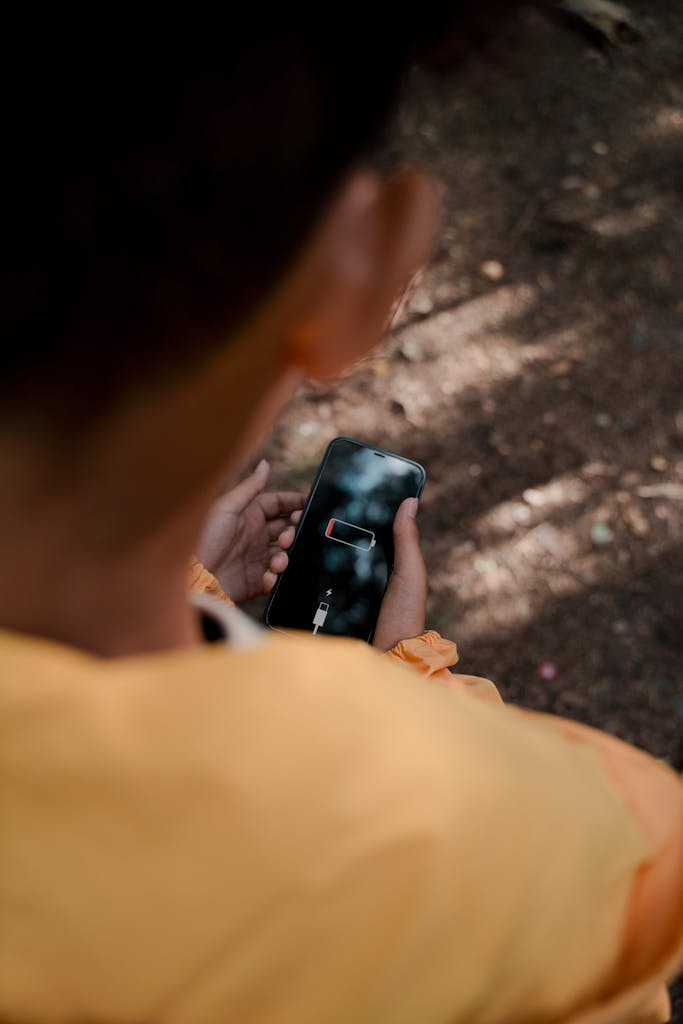
We are seeing the rise of Digital Quiet Luxury. Just as the ultra-wealthy have moved away from loud logos toward “stealth wealth,” the culturally elite are moving away from loud digital presence. Constant posting is increasingly viewed as “performative” and “anxious.”
There is a growing realization that being “reachable” 24/7 is not a feature; it’s a bug. The true elite are those who have the agency to be unreachable. If you don’t have to maintain a LinkedIn presence for work or an Instagram aesthetic for social climbing, you possess a rare form of freedom. Digital detoxing isn’t just a wellness trend anymore; it’s a marker of professional and emotional security.
For more on the impact of digital habits, you can explore the Center for Humane Technology’s research on social media influence.
Escaping the ‘Comparison Trap’ and Performance Anxiety
Psychologically, the “Comparison Trap” is one of the leading causes of modern anxiety. We spend hours comparing our “behind-the-scenes” footage with everyone else’s “highlight reel.” This leads to a state of constant Performance Anxiety, where we feel pressured to live a life that looks good on camera, even if it feels empty in reality.
The psychology of not posting is rooted in radical self-acceptance. When you stop posting, you kill the “perceived audience” in your head. You start eating the meal for the taste, not the photo. You go on vacation for the rest, not the “photo dump.” This shift from external validation to internal satisfaction is a profound psychological milestone. It allows for a state of “Flow” that is impossible to achieve when you are constantly interrupted by the need to document.
The Mystery Aesthetic: Why We Crave What We Can’t See
Human beings are wired to be curious. When a friend who used to post daily suddenly goes dark, our interest in them actually increases. This is the “Mystery Aesthetic.” By staying in Ghost Mode, you avoid the “overexposure effect”—a psychological phenomenon where people lose interest in something because they see too much of it.
By remaining a “Ghost,” you stay “evergreen” in the minds of your peers. You aren’t defined by a cringe post from three years ago or a political rant from last week. You are a blank slate, allowing you to reinvent yourself in the physical world without being tethered to your digital ghost of the past.
The Art of Being Unfindable
Ghost Mode is not about being anti-social; it is about being selectively social. It is the realization that your life belongs to you, not to a platform’s database. As we move further into a world dominated by AI and constant surveillance, the ability to remain unfindable and unquantifiable will become the most sought-after status symbol of all.
Your empty profile isn’t a sign of a boring life. It’s a sign of a life so big, it can’t be squeezed into a 1080×1080 pixel square. Maybe it’s time to log off, delete the draft, and enjoy the luxury of being a ghost.