
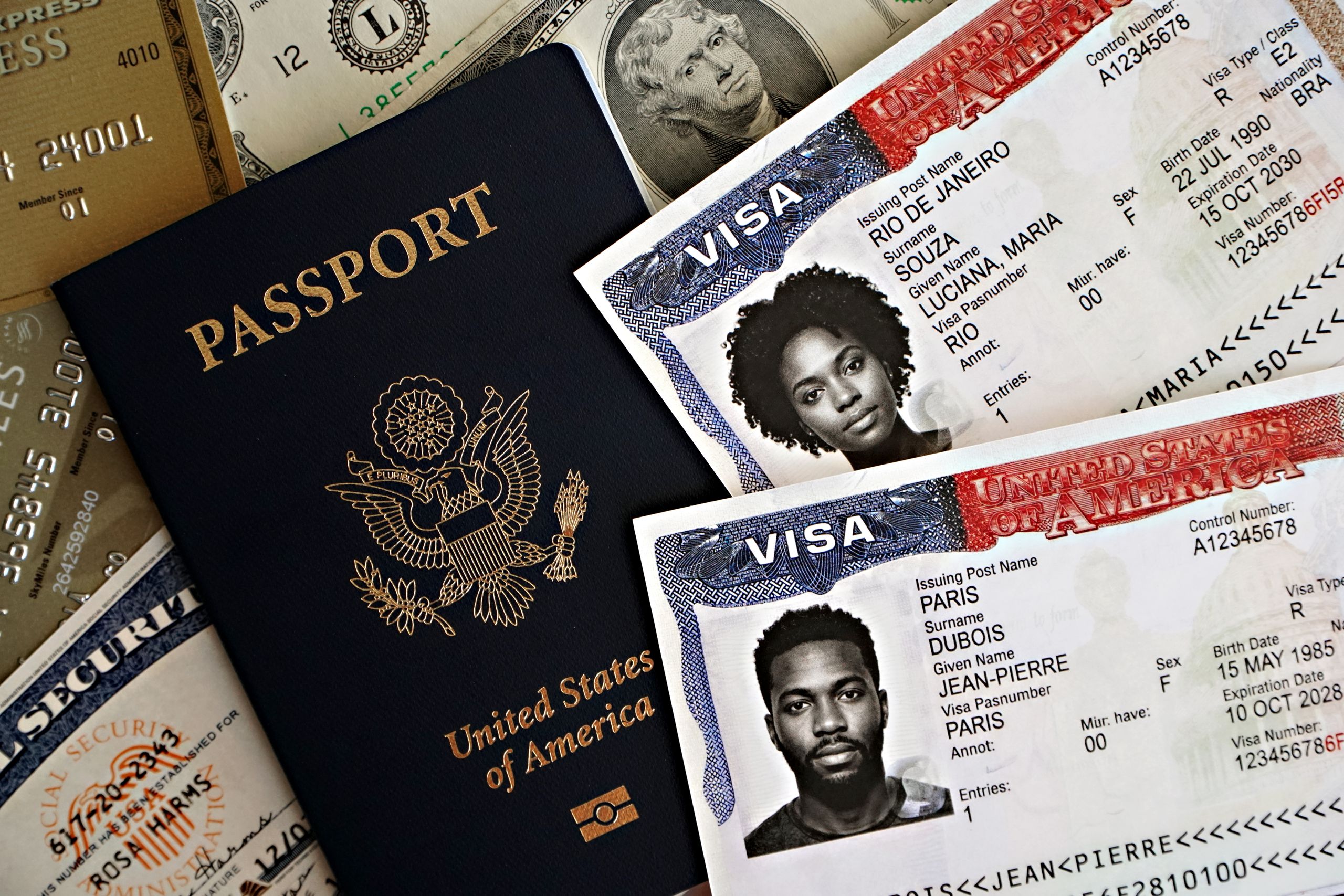
US E2 Visa Change of Status: My Honest Experience Switching Jobs on an L1 Visa
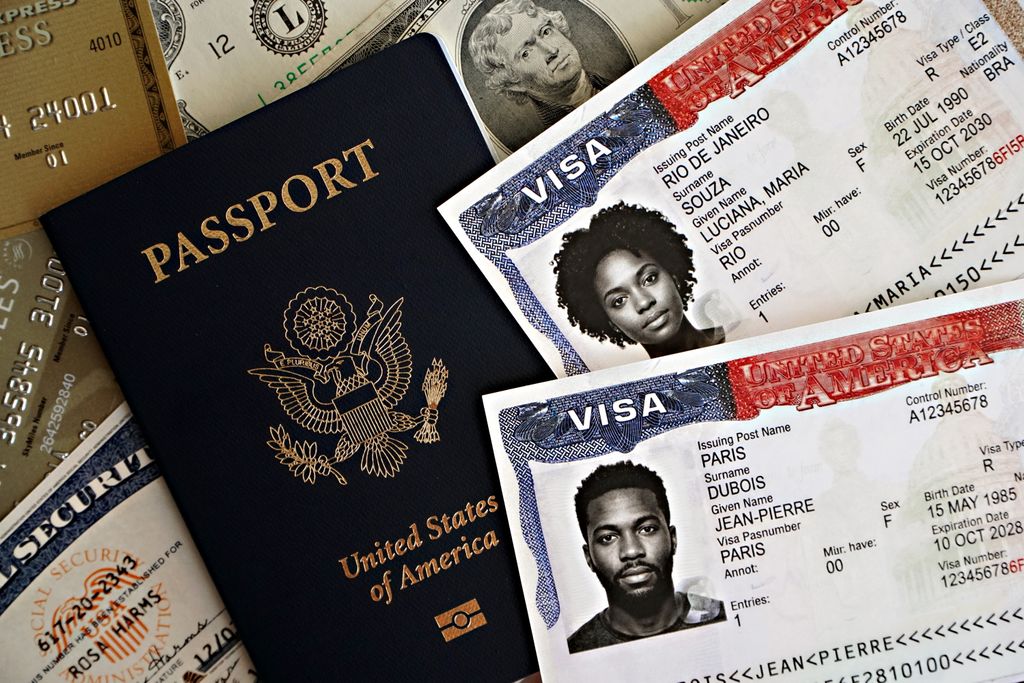
I’ve lived with an underlying sense of anxiety for quite a while. To be fair, this wasn’t exclusive to my time in the United States—it was a feeling that followed me throughout my ten years across Hong Kong, Sweden, and the US. Living in a country that isn’t naturally your own inevitably comes with subtle barriers and systemic frustrations. While it might sound overly deep to bring this up over visa paperwork, it truly makes you reflect on the value of belonging and holding official status in the country where you build your life.
When your ability to stay depends entirely on corporate sponsorship without permanent residency or citizenship, you often find yourself enduring quiet compromises and limitations. Back when I was at the Swedish headquarters, every reorganization required filling out surveys asking whether we needed visa sponsorship. Even when presented as a routine process, answering those questions during downsizing periods created immense psychological pressure. Seeing colleagues treated differently the moment they received their green cards was a constant reminder of how corporate visa dependency can leave you feeling vulnerable.
Reaching a ten-year milestone at my current company as a senior professional brought a new set of career crossroad challenges. Beyond hitting a glass ceiling, the company’s structural direction leaned toward reducing managerial roles in favor of individual experts who performed identical functions year after year. It became clear that room for professional growth was dwindling. I desperately wanted to switch jobs, but finding a US company willing to offer US visa sponsorship felt nearly impossible. The fast-paced hiring market makes most employers hesitant to invest the significant time and capital required for visa support. If you’re curious about why the US job market moves so quickly, feel free to check out my previous post on [Working in the U.S. (Series #2): At-Will Employment Rules & Termination].
After submitting dozens of applications (everytime, I need to also submit the answer of “I need Visa Sponsorship”) and receiving swift rejection emails within days, I began to feel like my resume wasn’t even being read. Thoughts of packing up and moving back home crossed my mind daily. Then, an unexpected opportunity arrived. An HR team reached out after reviewing my profile—initially assuming I was a green card holder. I was transparent right away: I needed visa sponsorship and was only interested if that was feasible. After an internal review, they confirmed they could support my visa, leading to a rapid interview process and a final offer.
However, the real hurdle began immediately after signing. The joy of landing the offer was quickly replaced by the daunting reality of executing the visa petition.
Facing the Pressure of a US E2 Visa Change of Status

My signed offer letter contained a clear contingency clause: “Conditional upon official visa approval.” That single sentence brought a wave of pressure. In the past, moving between Hong Kong, Sweden, and the US with the same employer meant my career was fully secure regardless of timeline glitches. If an administrative issue arose, I could simply continue working while reapplying without fearing for my job. This time, however, my outcome depended entirely on immigration authorities and timing—factors completely outside my control. With tightening immigration policies filling the news with rising denial rates, my anxiety spiked.
The second major hurdle was determining the Effective Date for the petition. Since I was transitioning from an L1 visa but lacked prior employment history with an overseas affiliate of the new employer, I couldn’t do a direct L1 transfer. That left us with filing a US E2 visa change of status (COS) within the United States.
The challenge with a change of status petition is that you must specify the exact date your new visa takes effect beforehand. The moment that designated effective date arrives, you can no longer legally work for your previous employer—regardless of whether you’ve received your approval notice yet or not. Deciding when to submit my resignation notice and manage a proper handover without risking my legal status created a nerve-wracking puzzle.
The estimated timeline was exceptionally tight:
- Document Preparation: Approximately 1 month
- USCIS Premium Processing: Official response within 15 calendar business days (Approval, RFE, or Denial)
A denial meant the offer would be rescinded immediately. An Request for Evidence (RFE) would add 1–2 weeks for document preparation plus another 15-day review period. If the approval lagged, the effective date would approach dangerously fast—or even pass before a decision was rendered. Yet, I couldn’t give notice to my current employer before receiving approval, nor could I push the effective date 4–5 months out without risking the new employer withdrawing the offer. Navigating that uncertain gap made for sleepless nights.
Working with Overseas Legal Counsel and Streamlining the Paperwork

During my previous international transfers, I always worked with local law firms assigned directly by my employer’s global mobility team. Those transitions followed a structured corporate protocol: once a transfer was confirmed, attorneys reached out with a complete checklist and dedicated guidance. This time was different. The new company didn’t regularly sponsor international transfers, and the Korean law firm handling the filing prioritized direct communication with the head office over me. Hearing indirect updates like “documents are being drafted” or “legal is discussing details” without direct contact amplified my anxiety. Every lost day meant less buffer time for giving proper notice and taking accrued leave.
I decided to stop waiting and take control of the timeline. As the applicant, I was the one facing the direct impact of a status change. Having navigated multiple visa applications across three countries, I knew what documentation would be required and that gathering it would take time anyway. Accelerating my end of the process was the best way to keep things moving.
I requested the document checklist from the head office and immediately began compiling my file. The required paper trail was extensive, extending far beyond standard passport copies, translated marriage certificates, and resumes:
- US Pay stubs and W-2s for the past 1–2 years
- An English Verification of Employment letter (requested under a neutral purpose, as I couldn’t disclose my job search to my current employer)
- Official Swedish tax statements in English (which, fortunately, were downloadable directly from the Swedish Tax Agency portal)
- Current L1 approval notices
- Previous USCIS supporting letters and supplementary evidence
- etc
I compiled every item, organized them into a structured tracking spreadsheet detailing file contents and key notes, and sent them over in a single package. I then requested direct consultations with the immigration legal team to walk through specific questions and strategically map out a realistic effective date.
While the offer was accepted around July 21st, I spent nearly three weeks waiting for initial contact before reaching out myself. Once I took the initiative to send the complete package and discuss the strategy directly, finalizing the submission took just one week. Waiting passively would have easily added weeks to the timeline.
With my side of the preparation completed, the waiting game for official USCIS filing began. On August 27th—about five weeks after accepting the offer—the petition was officially filed via Premium Processing, setting a firm target date of September 18th for a response.
However, the real mental rollercoaster started right after submission. A combination of conflicting online forums and inaccurate guidance from AI assistants led to a series of unnecessary scares regarding processing timelines, mail delivery, and dependent notices. I’ll break down those AI misconceptions, the actual approval timeline, and the final steps in Part 2 of this series!