
2026 Silver Vaults Are Empty: Warning of a “Catastrophe” — What It Means for Investors
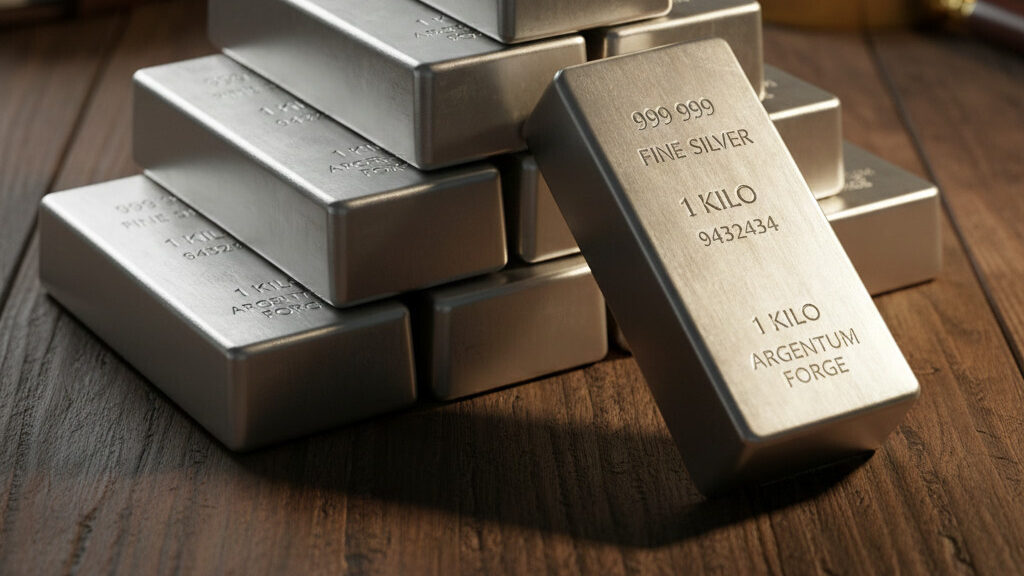
The global silver vaults are running dry at an alarming rate, and while the world has been fixated on gold’s record-breaking rally, a much quieter but more volatile storm is brewing in the silver market. According to recent deep-dive analyses from economic experts, global silver inventories are depleting faster than ever. We are no longer just talking about a minor supply-demand imbalance; we are approaching what some industry leaders call a structural deficit that could reshape the global economy.
The urgency reached a fever pitch when tech visionary Elon Musk signaled that a shortage of silver could become a “catastrophe” for high-tech industries. As the backbone of both the electric vehicle (EV) revolution and solar energy expansion, silver is moving from a decorative metal to a critical strategic resource. Let’s explore why the vaults are running dry and what this means for the future of silver prices.
The Invisible Crisis: Why Global Silver Stocks are Vanishing
Silver has always lived a double life. It is “the devil’s metal”—half precious metal (a store of value) and half industrial metal. Unlike gold, which is mostly stored in vaults as jewelry or bullion, more than 50% of the world’s silver is consumed by industry. Once it’s used in a circuit board or a chemical process, it is rarely recovered.
The Solar Energy Explosion

The primary culprit behind the current silver drain is the solar photovoltaic (PV) industry. Silver has the highest electrical and thermal conductivity of any metal, making it indispensable for the conductive pastes used in solar cells.
As nations race toward carbon neutrality, solar installations have grown exponentially. Current data suggests the solar sector alone consumes over 15% of the annual global silver supply. Furthermore, as we move toward “N-type” solar cells which offer higher efficiency, the amount of silver required per panel is actually increasing. This is why Elon Musk is concerned; without silver, the transition to sustainable energy grinds to a halt.
The Supply Bottleneck: The “By-Product” Trap
If demand is skyrocketing, why don’t miners simply dig more silver? This is where the silver market gets complicated. Approximately 70% of global silver production is a by-product of mining for other metals like copper, lead, and zinc.
Because silver is rarely the primary target of a mine, supply is “inelastic.” Even if the price of silver doubles, a copper mine isn’t going to significantly increase its operations just to get a little extra silver. This structural bottleneck means that the supply side cannot react quickly to price signals, creating a long-term deficit that is difficult to fix.
Global Commodity Market Insights
For those tracking real-time fluctuations in the metals market, it is essential to monitor transparent exchange data and global economic reports.
Silver Vaults in London and New York
Recent reports from the London Bullion Market Association (LBMA) and the New York Commodities Exchange (COMEX) reveal a startling trend. While total “paper” silver might look stable, the “Registered” inventory—the silver actually available for immediate physical delivery—has plummeted to multi-year lows.
Much of the silver reported in these vaults is already “spoken for” by ETFs (Exchange Traded Funds) or private owners. When industrial giants like Tesla or Samsung need physical metal for production, they find a market where the available float is razor-thin. If a major institutional buyer or a wave of retail investors enters the market now, it could trigger a “short squeeze” of historic proportions, as there simply isn’t enough physical metal to satisfy the demand at current prices.
Is Silver the Ultimate Investment Opportunity Today?
Many seasoned investors look at the Gold-to-Silver Ratio as a compass. Historically, this ratio tells us how many ounces of silver it takes to buy one ounce of gold.
- Historical Undervaluation: Currently, the ratio is significantly higher than its historical average of roughly 50:1 or 60:1. This suggests that silver is drastically undervalued compared to gold.
- Inflation Hedge with a Growth Engine: While gold protects against a falling dollar, silver does the same while also benefiting from the massive industrial growth in the tech and green-energy sectors.
- The Floor is Rising: Even in a recession, the demand for silver in military technology, medical devices, and solar energy remains a “fixed” necessity, providing a strong support floor for prices.
How to Position Yourself for the Silver Surge
If you believe the narrative of a physical silver shortage, there are several ways to gain exposure:
- Physical Bullion: Buying silver coins or bars. This is the only way to avoid “counterparty risk,” but it requires secure storage and involves paying a premium over the spot price.
- Silver ETFs (SLV, PSLV): These allow you to trade silver like a stock. They are highly liquid, though you don’t physically hold the metal.
- Mining Stocks: Investing in companies that mine silver. These offer “leverage,” meaning their stock prices often rise much faster than the price of silver itself when the market turns bullish.
The Era of Silver is Arriving
Silver is no longer just “poor man’s gold.” It is becoming the “oil of the 21st century”—a finite, essential resource that powers our digital and green future. When industry titans like Elon Musk start using words like “catastrophe” regarding supply chains, it’s a signal that the status quo is about to break.
The vaults are emptying, and the industrial machine is hungry. For the patient investor, the current imbalance between “paper prices” and “physical reality” represents a rare window of opportunity. As the world realizes it cannot build a green future without silver, the devil’s metal may finally get its time in the sun.