
Why Silver Must Be in Your 2026 Investment Portfolio: The Looming Global Shortage
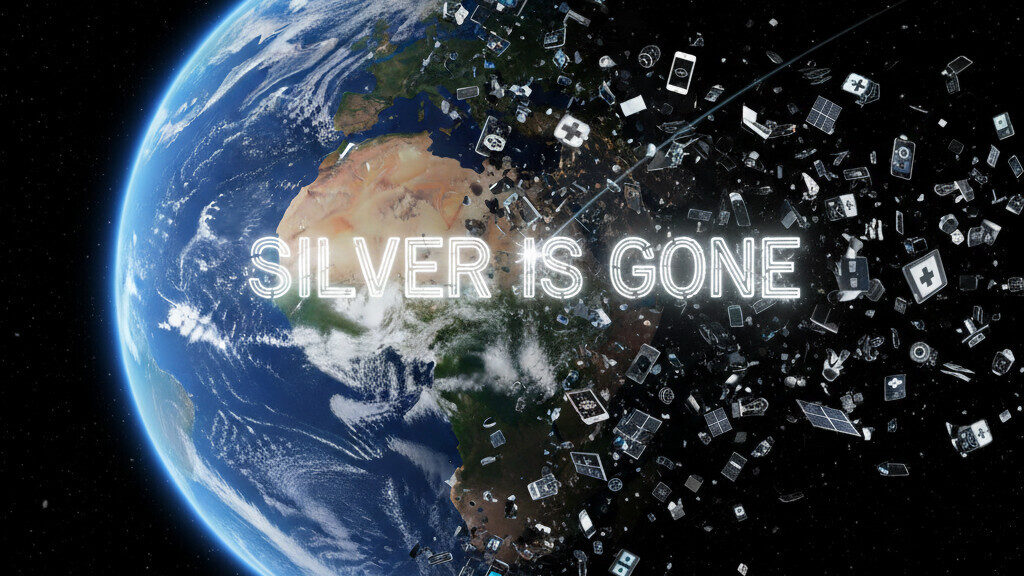
The news that Silver, one of the most common precious metals in our daily lives, is slowly disappearing from the Earth’s crust is a shocking revelation that demands our attention. Long regarded merely as a material for jewelry or silverware, silver is actually a cornerstone of modern industrial society. As we move deeper into 2026, the potential exhaustion of this resource raises a critical question: What does a silver-depleted future look like for humanity?
While many investors remain laser-focused on gold, savvy market participants are shifting their gaze toward silver’s growing scarcity. In this comprehensive analysis, we will explore why silver is the lifeblood of modern industry, the root causes of its depletion, and why now is the strategic moment to include it in your investment portfolio.
The Lifeblood of Industry: Why Silver is Irreplaceable
Silver is far more than a shiny commodity; it is a unique element with physical properties that no other metal can match. It boasts the highest electrical and thermal conductivity of all metals, along with exceptional reflectivity and potent antibacterial properties.
The Backbone of High-Tech Electronics
If you are reading this on a smartphone or a computer, you are holding silver. Because of its unmatched conductivity, silver is used in almost every electronic device to ensure seamless electricity flow. From micro-chips to circuit boards, silver is the silent engine driving the digital age.
The Green Energy Revolution
As the world pushes toward “Net Zero” and carbon neutrality, silver has become a strategic “green metal.” It is a critical component in photovoltaic (solar) panels. Silver paste is used to conduct the electrons generated by the sun’s rays. As solar installations skyrocket globally, the demand for silver is no longer just steady—it is explosive.
Medical and Specialized Applications
In the medical field, silver’s ions are used to prevent bacterial growth. It is found in wound dressings, surgical instruments, and water purification systems. From the automotive industry (especially EVs) to chemical catalysts, silver is ubiquitous. To lose silver is to see the foundation of modern civilization tremble.
The Shocking Reality of Silver Depletion and Supply Deficits
Recent geological surveys and industrial reports suggest that we are approaching a “silver cliff.” Unlike gold, which is mostly hoarded in vaults, silver is consumed. Once used in tiny amounts in electronics or bandages, it is often too expensive or difficult to recycle, meaning it ends up in landfills.
The Mismatch of Supply and Demand
According to data on global resource sustainability, the gap between annual silver production and global demand has widened significantly. You can find detailed insights on resource life cycles through the United Nations Environment Programme (UNEP) International Resource Panel, which highlights the growing pressure on critical minerals.
The Mining Paradox
A major challenge is that silver is rarely mined on its own. Approximately 70% of silver production is a by-product of mining other metals like copper, lead, and zinc. This means that even if silver prices skyrocket, miners cannot simply “turn on the tap” to produce more silver without a corresponding demand for industrial base metals. Furthermore, ore grades are declining, and environmental regulations are making new mining projects more costly and time-consuming.
Economic Ripple Effects of a Silver Shortage
The depletion of silver is not just a resource issue; it is a macroeconomic catalyst. For the prepared investor, this represents a generational opportunity.
- Surging Production Costs: As silver supplies tighten, the cost of manufacturing smartphones, electric vehicles (EVs), and laptops will rise. This contributes to “greenflation,” where the transition to renewable energy actually drives up consumer prices.
- Energy Transition Bottlenecks: If silver becomes unavailable, national roadmaps for solar energy will stall. This could lead to “resource wars” as countries scramble to secure silver stockpiles for their own energy security.
- Lack of Substitutes: While copper or aluminum can be used as alternatives in some cases, they are inferior in conductivity. Using them results in lower efficiency and higher energy loss, making silver’s role practically irreplaceable in high-end technology.
Gold for Stability, Silver for Explosive Growth
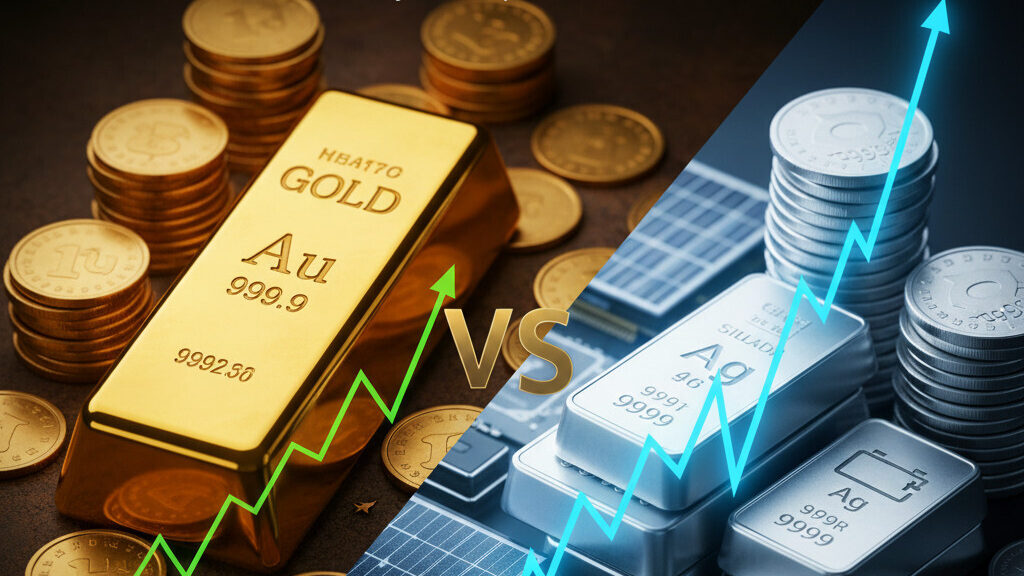
When managing assets, it is vital to understand the “Gold-to-Silver Ratio.” While gold and silver often move together, they play very different roles in a diversified portfolio.
- Gold: The “Ultimate Asset.” It is the preferred choice for central banks and acts as a hedge against geopolitical instability and currency devaluation. It provides the “floor” for your wealth.
- Silver: The “High-Beta Play.” Because the silver market is significantly smaller than the gold market, it is much more volatile. In a bull market, silver historically outperforms gold by a factor of 1.5 to 2.
In 2026, silver is undergoing a fundamental re-rating. It is transitioning from a precious metal to a critical industrial mineral essential for AI data centers and the global electric grid.
How to Invest Wisely
Financial experts often recommend a balanced approach. While a 100% silver portfolio might be too volatile for some, a 70:30 or 50:50 split between gold and silver allows an investor to capture the stability of gold while riding the massive upside potential of silver’s industrial demand.
Don’t Miss the New Opportunity
The exhaustion of silver is a serious challenge for the planet, but it is an undeniable signal for the financial markets. We are witnessing a classic supply-demand squeeze that occurs only a few times in a century.
While “urban mining” (recycling from old tech) is improving, it cannot currently keep pace with the sheer volume of silver required for the green transition. The intrinsic value of silver’s rarity is finally coming to the forefront of global economics.
If silver is not yet part of your investment strategy, you may be overlooking one of the most critical assets of the future. By conducting thorough analysis and diversifying your holdings today, you can position yourself to benefit from the inevitable rise of this “disappearing” metal.