

2026 Cashless Society : Why Sweden and China Are Warning the World About the Cashless Trap
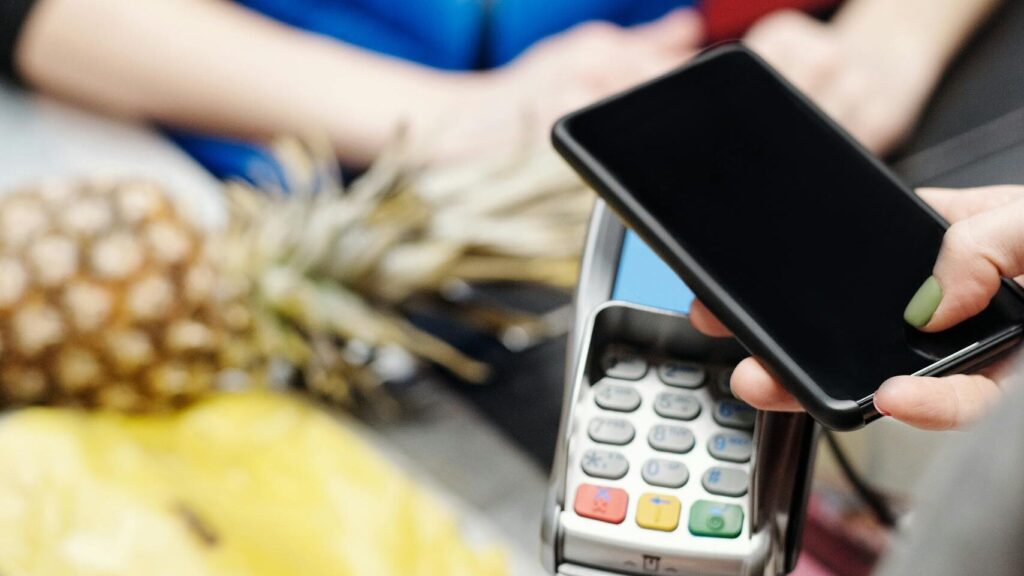
The global race toward a “Cashless Society” has been accelerated by convenience and technology. From the sleek streets of Stockholm to the bustling markets of Beijing, the physical wallet is being replaced by smartphones and biometrics. However, a startling trend is emerging. The very nations that pioneered the digital payment revolution are now hitting the brakes. Sweden is officially advising citizens to keep physical cash at home, and China is grappling with deep-seated social and security crises. Why are these digital leaders suddenly expressing regret? Let’s dive into the hidden dangers of a world without physical money.
Sweden’s U-Turn: A Matter of National Survival
For years, Sweden was the poster child for the cashless movement. It reached a point where even public toilets and small street vendors refused coins and bills. But the tide has turned. The Swedish Civil Contingencies Agency (MSB) recently issued a directive urging every household to keep at least one week’s worth of cash in small denominations.
The primary driver for this shift isn’t nostalgia—it’s National Security. In an era of heightened geopolitical tensions and sophisticated cyber warfare, a 100% digital economy is a massive vulnerability. If a hostile actor or a massive technical failure shuts down the power grid or the internet, a cashless nation becomes paralyzed. Without physical currency, citizens cannot buy food, medicine, or fuel. Sweden has realized that cash is not just “old money”; it is a vital fail-safe for national resilience.
China’s Digital Wall: Surveillance and Insecurity
In China, the transition to a cashless society happened almost overnight through platforms like WeChat Pay and Alipay. While the efficiency is undeniable, the social costs have been staggering.
The Security Breach Nightmare
Recently, China faced a massive data leak involving billions of personal records. In a society where your bank account, social ID, and daily movements are all tied to a single QR code, the risk of “Digital Identity Theft” is catastrophic. Scammers use fraudulent QR codes to drain accounts in seconds, leaving victims with no recourse because there is no “offline” alternative to fall back on.
The Rise of a Surveillance State
Every digital transaction leaves a footprint. In China, this data is often integrated into social credit systems. If a government or a corporation can track every coffee you buy or every bus ride you take, the line between “convenience” and “total surveillance” disappears. Cash offers a level of anonymity and privacy that is essential for a free society—a feature that is completely lost in the Chinese digital model.
The Human Cost: Financial Exclusion
One of the most heartbreaking consequences in both Sweden and China is the marginalization of the elderly and the vulnerable. We often hear stories of elderly citizens in China being turned away from hospitals or grocery stores because they only had physical yuan.
Digital systems require three things: a smartphone, a stable internet connection, and the cognitive ability to navigate complex apps. For the elderly, the disabled, or those in extreme poverty, these requirements act as a “Digital Wall,” effectively barring them from participating in modern society. A society that excludes its most vulnerable members in the name of “progress” is a society facing a moral crisis.
Industry Insight: For detailed global reports on financial inclusion and the impact of digital currencies, you can explore resources from theWorld Bank Global Findex, which tracks how people around the world access financial services.
Sweden vs. China: A Comparative Analysis
While both nations are facing a “cashless hangover,” their challenges stem from different roots.
| Feature | Sweden (The Democratic Model) | China (The Platform Model) |
| Primary Driver | Efficiency & Banking Innovation | Distrust of Counterfeits & Tech Giants |
| Major Risk | Cyber Warfare & Infrastructure Fragility | Privacy Loss & State Surveillance |
| Current Action | Legal mandates to keep cash accessible | Heavy fines for businesses refusing cash |
| Vulnerable Group | Rural residents & The Elderly | The “Unbanked” & Tech-illiterate |
Why You Should Still Carry Cash

The warnings from Sweden and China serve as a wake-up call for the rest of the world. Relying solely on digital payments is like building a house without a foundation. Here is why you should always keep physical currency in your pocket:
- Resilience Against Blackouts: When the network goes down, cash is the only thing that works.
- Budgetary Control: Psychological studies show that people spend significantly more when using digital “invisible” money compared to physical bills.
- Privacy Rights: Cash allows you to transact without being tracked by advertisers or government agencies.
- Social Equity: By using cash, you support an ecosystem that keeps society accessible for those who cannot use digital tools.
The Need for a Hybrid Economy
The message “Please keep your cash” is not an anti-technology slogan. It is a plea for balance. As we embrace the speed of digital payments, we must also preserve the stability and inclusivity of physical money. Sweden is learning this the hard way through security threats, and China is learning it through social fragmentation.
The future should not be “Cashless,” but “Cash-Light”—a system where digital is an option for convenience, but physical cash remains the bedrock of freedom and security. Don’t wait for a system failure to realize the value of the paper in your wallet.
For more in-depth economic insights and the latest trend analyses, feel free to explore my other articles in the [Journal] menu.