The End of Ownership: Why We No Longer ‘Own’ the Lives We Live
The End of Ownership is no longer just a futuristic concept—it is a reality that hits home every time I grab a drink with my friends. We used to joke about how there are so many houses out there, yet not a single one belongs to us. For many in my circle, homeownership anxiety has become the defining shadow over our life goals. The dream of owning a home was always about more than just equity; it was about having a permanent sanctuary in an unpredictable world. The thought of retiring without a place to truly call my own often brings a cold shiver of insecurity.
Are you also feeling that same pressure—the desperate need to “own” something in a world that seems to be slipping through your fingers? Lately, my perspective has begun to shift. I’ve started wondering: in this rapidly evolving digital paradigm shift, is clinging to physical ownership still the only path to security? Or is there something else we should be looking for?
From Shelves to Streams: The Vanishing Tangible
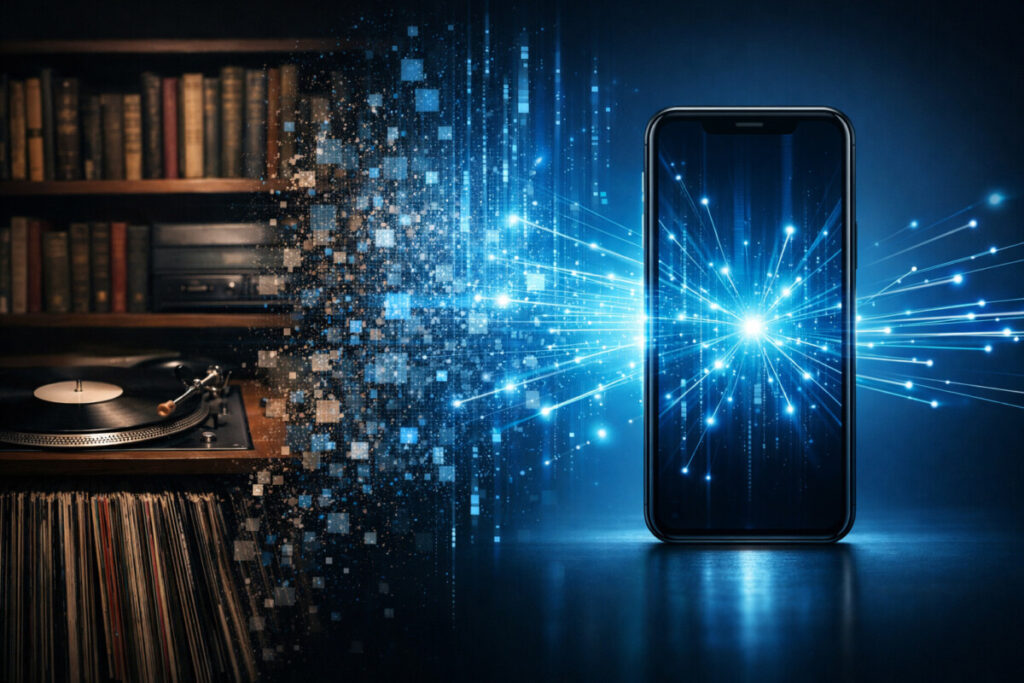
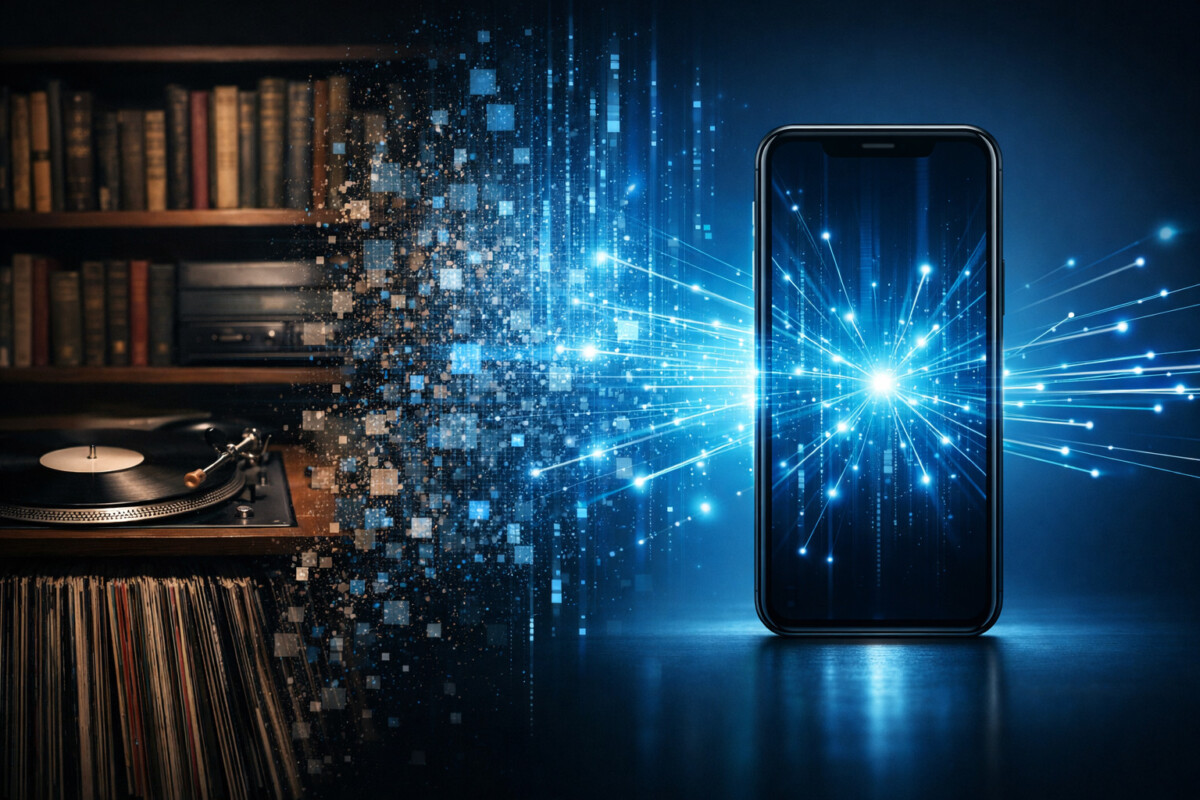
Think back to how we consumed culture just twenty years ago. If you loved a band, you bought their CD or vinyl. Those physical objects on your shelf were more than just plastic; they were a curated map of your identity. When the iPod arrived, we still “owned” the MP3 files. Today, that concept is almost alien. We don’t own music; we subscribe to Spotify. We have traded permanence for the convenience of a stream. This is a core symptom of the subscription economy trends that are redefining our daily lives.
Jeremy Rifkin and the Age of Access
This transformation was predicted with uncanny accuracy over two decades ago by the social critic and futurist Jeremy Rifkin. In his seminal work, Jeremy Rifkin Age of Access, he argued that the central pillar of the economy would shift from the exchange of property to the provision of services.
In this new world, the provider retains ownership of the asset while the consumer pays for a temporary right to use it. Why did this happen? Technology moves so fast that a product is often obsolete within months. In such a high-speed environment, owning a physical asset becomes a “burden of inertia” rather than a benefit. We have moved from an industrial economy to a software-driven one where the value lies in data and networks.
Digital Colonialism and the New Landlords
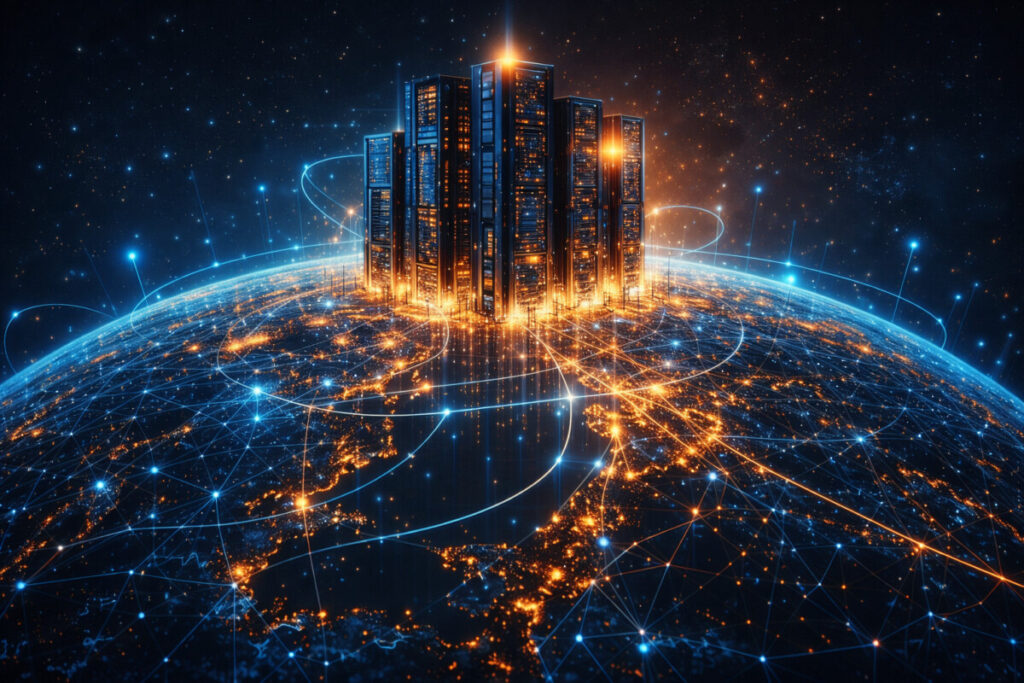
Every time you watch a video on YouTube or a business launches a website on AWS, you are paying “rent” to invisible landlords. This digital paradigm shift has created a form of digital colonialism. Tech giants conquer the “territory” of our attention and data. You cannot participate in modern society without paying a toll to these giants. It is the ultimate evolution of the franchise model—where the “Headquarters” owns the information and the “Users” pay for the privilege of access.
Why Capital Drives the Subscription Economy Trends
There are strategic reasons why the world is moving away from ownership. Capitalism thrives on the “cycle of replacement.” If you own a high-quality tool for 30 years, the manufacturer loses money. By shifting to subscription economy trends, companies ensure you are a perpetual customer.
Take the “Upgrade Trap” in software. You used to buy a license; now you pay monthly. The moment you stop paying, your tools vanish. Your “ownership” is actually a recurring entry on a corporate balance sheet. Even car-sharing and co-living spaces offer a veneer of freedom, but they often leave you with no equity—only memories of the access you once had.
The Return of the Material: A Modern Rebellion
Paradoxically, as ownership fades, our hunger for the “real” grows. This explains the resurgence of analog tech like vinyl and fountain pens. Philosophers like Byung-Chul Han suggest that physical objects provide an “anchor” for the human soul. Digital information is frictionless and fleeting, but objects that age with us give us temporal stability. While we navigate the end of ownership, we are rediscovering the value of things that stay.
Navigating the Post-Ownership World with Subjectivity
For many, homeownership anxiety is a painful symbol of being a “renting class.” I feel it too. However, there is a silver lining. The shift to access provides mobility and global connectivity that our ancestors couldn’t imagine. We are no longer tethered to a single plot of land.
The challenge of the 21st century is learning how to enjoy the freedom of access without losing the existential security that only ownership—of our space, our tools, or our philosophy—can provide. What do you truly want to own in this Age of Access? Perhaps owning your own perspective is the most valuable asset of all.
Further Insights for the Future
The disruption of ownership isn’t limited to real estate or digital files. Even the “intellectual ownership” we claimed through degrees is being challenged. As traditional structures crumble, you might find it vital to read The End of Academic Pedigree: Why Palantir CEO Alex Karp Says Your Degree is Obsolete, which explores how AI is shifting the value of what we “own” in our minds.
If you are interested in how these economic shifts are affecting global urban development and the “sharing economy” from a policy perspective, I highly recommend exploring the Federal Reserve’s analysis on the economic impact of the sharing economy. This reliable resource from the Federal Reserve Bank provides a professional and deep look into the systemic changes we are experiencing in the age of access.