
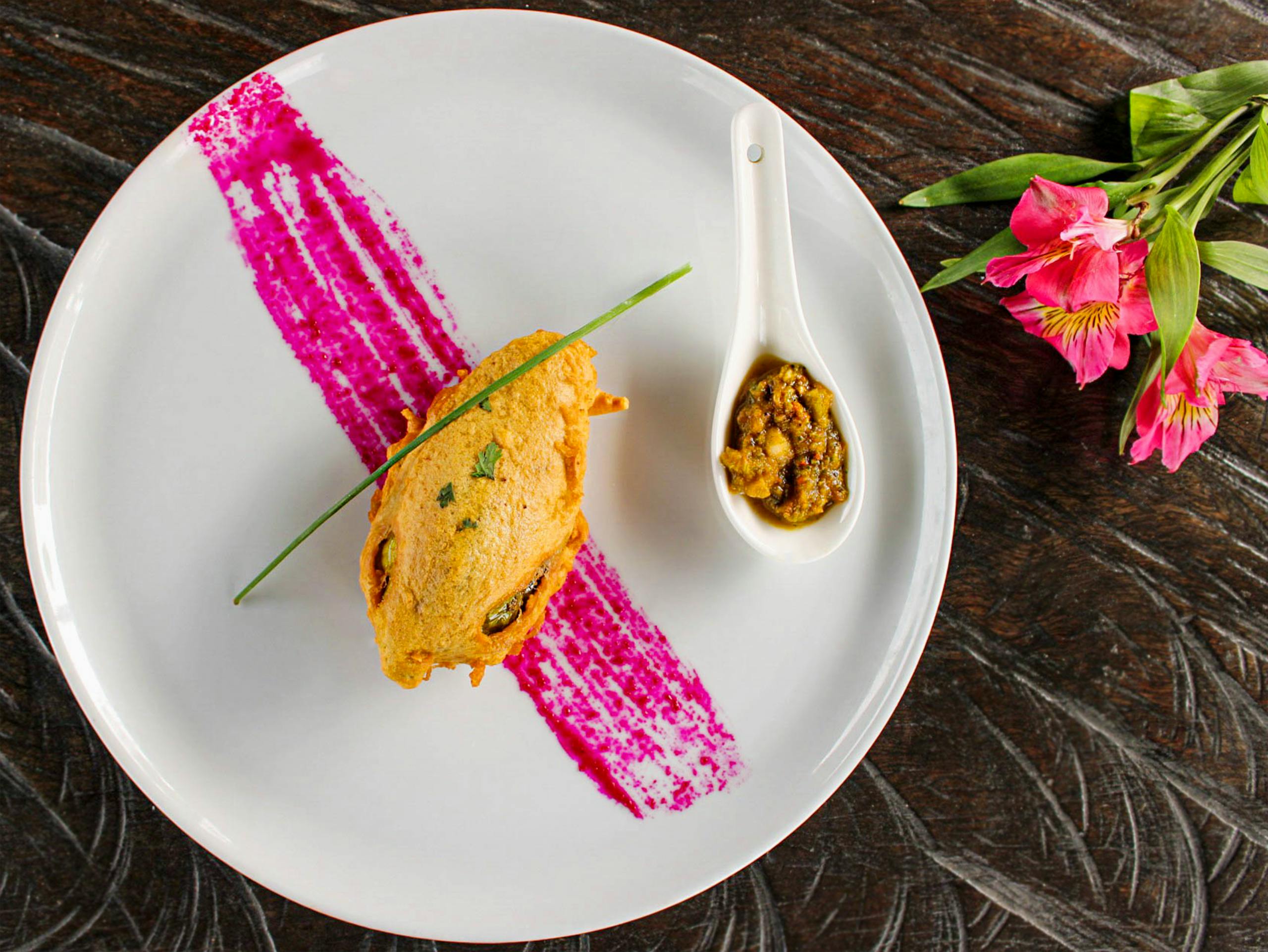
The Michelin Star Curse: Why Top Chefs are Closing Their Doors Despite Success
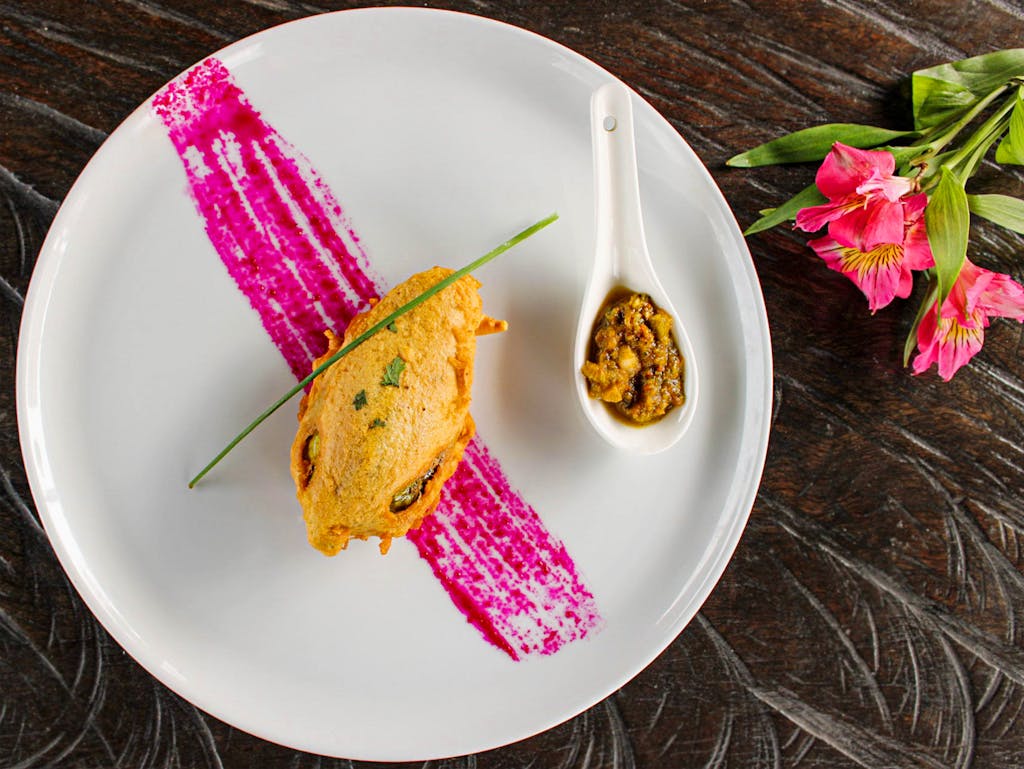
For any chef, receiving a Michelin Star is equivalent to winning an Oscar or an Olympic Gold Medal. It is the ultimate validation of culinary craft, a symbol of prestige that guarantees a surge in reservations and global fame. However, a chilling trend is emerging in the culinary world: many of the world’s top chefs are finding that the “Michelin star” is actually a poisoned chalice.
From legendary French masters to modern innovators, an increasing number of restaurateurs are filing for bankruptcy or voluntarily returning their stars. What looks like a dream from the outside is often a financial and psychological nightmare. Today, we explore the dark side of fine dining and the real reasons why Michelin chefs go bankrupt.
The Astronomical Cost of Perfection
The moment a restaurant is awarded a Michelin star, the public’s expectations shift. You are no longer just a place to eat; you are a destination for “the experience of a lifetime.” Meeting this expectation requires an investment that often far exceeds the revenue generated by the food.
- Explosive Labor Costs: To maintain a three-star service, the ratio of staff to guests often reaches 1:1 or even higher. You need a small army of highly skilled sous-chefs, sommeliers, and servers. In an industry with razor-thin margins, this massive payroll is the first step toward a financial deficit.
- The “Ingredient Obsession”: A Michelin chef cannot simply buy “good” produce. They must secure the absolute best—often flown in daily from across the globe. The food cost (COGS) in fine dining frequently sits at 40-50%, whereas a healthy business usually aims for 25-30%.
- Mandatory Luxury Upgrades: Evaluators don’t just judge the plate; they judge the ambiance. Chefs often feel pressured to take out massive loans for Italian marble, hand-blown glassware, and designer linens just to keep their ranking.
The Profitability Paradox of Fine Dining
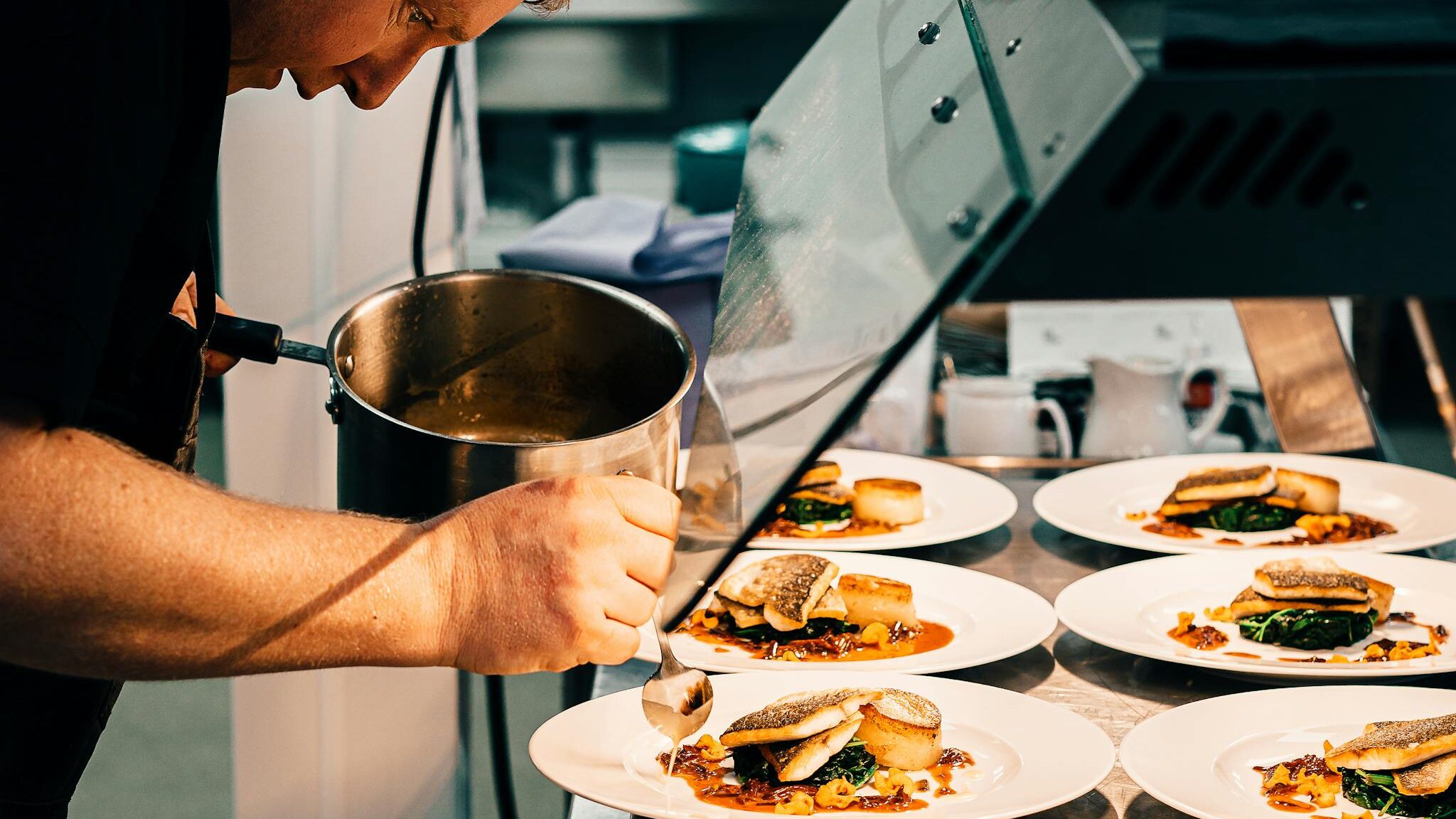
Ironically, the more famous a restaurant becomes, the harder it is to make a profit. The business model of fine dining is inherently inefficient. While a casual bistro can turn over a table three or four times a night, a Michelin-starred establishment usually hosts a table for the entire evening.
The “Revenue Per Available Seat Hour” (RevPASH) is notoriously low in fine dining. When you factor in the rent for prime locations in cities like Paris, New York, or Seoul, the math simply doesn’t add up. Many chefs confess that their flagship starred restaurant actually loses money, and they only stay afloat by opening “second brands”—casual burger joints or bistros—that fund their fine dining passion.
For a deeper look into the economic realities of the hospitality industry, the National Restaurant Association provides extensive data on profit margins and operational challenges.
The Psychological Toll: Living Under the Sword of Damocles
A Michelin star is not a permanent achievement; it is a temporary loan. Every year, chefs must wait for the new guide to see if they have kept their status. This creates a state of perpetual anxiety that has led to tragic consequences.
The most famous example is French chef Bernard Loiseau, who tragically took his own life in 2003 following rumors that his restaurant might lose its three-star rating. While that is an extreme case, the “star pressure” leads to chronic burnout, health issues, and the breakdown of personal relationships. When a chef is focused entirely on a rating, they often lose sight of the business management side, leading to a slow slide into debt.
The Rise of “Star Rejection”
In a shocking move, several high-profile chefs have begun “giving back” their Michelin stars. Sébastien Bras, a renowned French chef, famously requested to be excluded from the Michelin Guide, citing the “intense pressure” that stifled his creativity.
By rejecting the star, these chefs gain three things:
- Creative Freedom: They can cook what they and their local customers actually want to eat, rather than what an anonymous inspector expects.
- Price Flexibility: Without the need for 50 staff members and gold-leafed menus, they can lower prices, attract a wider audience, and stabilize their cash flow.
- Operational Longevity: By focusing on a sustainable business model rather than a trophy, they ensure their restaurant survives for decades rather than burning out in a few years.
Reevaluating the True Value of Food
The Michelin Guide has undoubtedly pushed the culinary world to new heights. However, the “Michelin Star Curse” reminds us that a restaurant is, at its heart, a business. My wife and I have often felt this disconnect; we’ve had expensive Michelin star courses in Michelin star restaurants only to end up cooking ramen at home afterward, feeling more unsatisfied than inspired. When the pursuit of prestige outweighs profit and the well-being of the creator, the system is broken.
As diners, we must appreciate the immense sacrifice behind every starred plate. But perhaps it is time to celebrate the “unstarred” local gems that prioritize the simple joy of cooking over the crushing burden of a gold star.
For more in-depth economic insights and the latest trend analyses, feel free to explore my other articles in the [Journal] menu.