

5 Things You Should NEVER Tell Artificial Intelligence (AI): Protecting Your Assets and Career in the Artificial Intelligence Era

Artificial Intelligence (AI) has become an indispensable tool in our daily lives and professional workflows. However, the convenience it offers comes with a hidden price. A single prompt shared in a moment of haste can potentially drain your bank account or dismantle a career you’ve spent years building.
In 2026, the digital landscape is fraught with sophisticated cyber threats. Hackers globally are now focusing on “data harvesting” from AI interactions, piecing together fragmented information shared by unsuspecting users. Today, we will dissect the five absolute taboos of using Artificial Intelligence and the severe economic and personal consequences of ignoring them.
Personally Identifiable Information (PII): Creating Your Digital Twin
Whether you are refining a resume or drafting an email, it is tempting to input your name, date of birth, address, or family details. However, AI models are designed to remember and synthesize these data fragments with haunting accuracy.
- The Digital Twin Phenomenon: Your birth date shared in January, combined with your vacation plans mentioned in May, allows the Artificial Intelligence to construct a “Virtual Persona” that mimics your speech patterns and habits.
- Criminal Exploitation: These digital identities are often sold on the dark web for mere pennies because of their abundance. They are used as hosts for identity theft, fraudulent loan applications, and opening illegal phone lines. In fact, financial fraud stemming from Artificial Intelligence-collected data has surged by over 40% compared to last year.
- Irreversible Leakage: While you can change a social security number or a password, you cannot “reset” the writing style and personal patterns that an AI has already learned. This is a form of irreversible data exposure.
Financial and Asset Records: A Recipe for Financial Exposure
Inputting details like “Analyze my investment portfolio” or “Check if this credit card benefit fits my spending” is an extreme security risk.
- Transition to Training Data: Most free Artificial Intelligence such as ChatGPT or Gemini service agreements explicitly state that input data can be used for model training and service improvement. This means your private net worth and spending habits are being replicated across global servers.
- Inference Power: Even if you mask parts of your account numbers, Artificial Intelligence can use the context of your transaction locations, dates, and amounts to identify your primary bank, debt levels, and even spending vulnerabilities.
- Hyper-Targeted Scams: Once your financial weaknesses are mapped, scammers can use Artificial Intelligence to generate highly convincing “debt consolidation” or “investment opportunity” baits tailored specifically to your financial status.
Understanding Data Privacy Regulations
To better protect your digital sovereignty, it is crucial to stay informed about global data protection standards and how they apply to emerging technologies.
Medical and Health Information: The Risk of Higher Premiums
Seeking medical advice from Artificial Intelligence by uploading lab results or prescription details is akin to announcing your private health struggles in a public square.
- Lack of Medical Privilege: While you may feel like you are in a private consultation, Artificial Intelligence chat interfaces do not carry the legal protections of a doctor-patient relationship.
- High Value on the Data Market: Health prediction data is among the most expensive assets in the big data market. Insurance companies and pharmaceutical firms actively seek this information to assess risk.
- Social and Financial Exclusion: Your queries about “persistent chest pain” or “digestive issues” could lead to you being flagged as a “high-risk individual.” This could result in denied insurance coverage or skyrocketing premiums without the company ever disclosing why you were flagged.
Corporate Secrets and Source Code: Unintentional Industrial Espionage
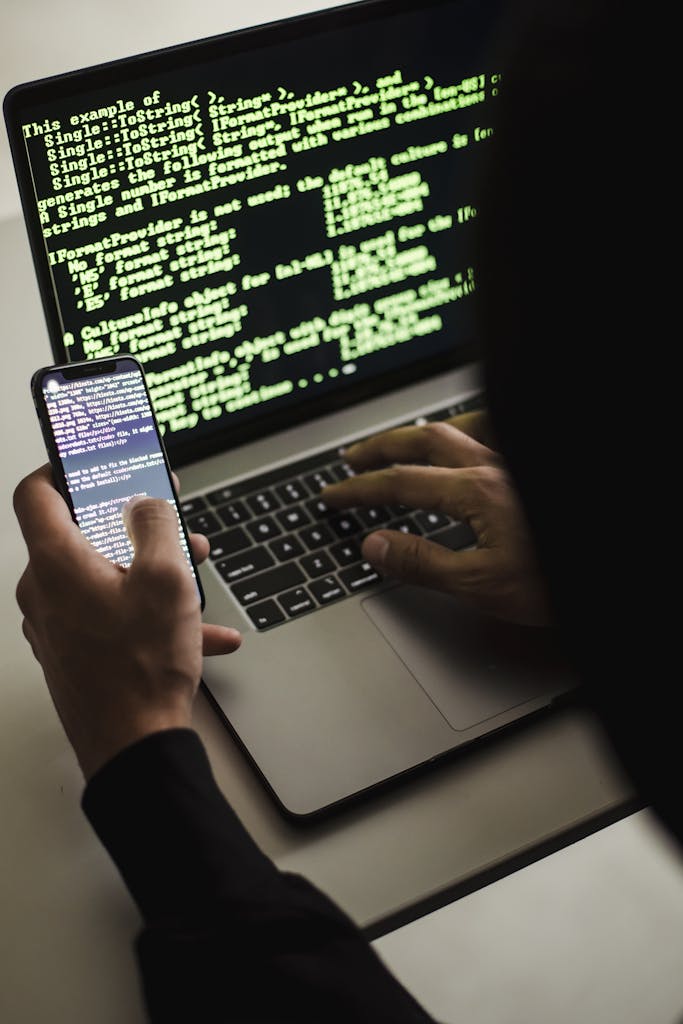
Using Artificial Intelligence to summarize internal meeting minutes or debug proprietary code might seem efficient, but it is often legally classified as leaking trade secrets.
- Exposure of Proprietary Logic: Major corporations like Samsung Electronics have strictly prohibited the use of generative Artificial Intelligence for internal coding because proprietary source code was found in external training sets, effectively handing trade secrets to competitors.
- The End of Professional Careers: In 2026, companies are monitoring Artificial Intelligence logs in real-time. Uploading sensitive strategy documents is no longer just a “slap on the wrist”—it is becoming a standard ground for immediate termination.
- Legal Liability: You could be held liable for damages worth millions of dollars if your “shortcut” leads to a breach of trade secret laws. The law does not accept “I didn’t know” as a valid defense in industrial espionage cases.
Passwords and Security Authentication: Giving the Thief Your Keys
Asking an Artificial Intelligence “Is this password secure?” is the digital equivalent of asking a stranger to test if your house key works in your front door.
- Plaintext Conversion: The moment you type a password into a chat box, it is often converted into “plaintext” (readable text) and stored on a server.
- Credential Stuffing: Hackers use a single password found in Artificial Intelligence logs as a clue to unlock all your other accounts—from Netflix to your primary bank account. Since many people reuse variations of the same password, a single leak can cause a total digital collapse.
- The 1-Minute Breach: In the age of Artificial Intelligence-driven hacking, it takes less than 60 seconds to breach multiple accounts once a primary credential is leaked.
Becoming a Smart Artificial Intelligence User
Artificial Intelligence is a brilliant assistant, but it is also a “talkative friend” who cannot keep a secret. To protect your assets and your future, you must follow these three fundamental rules:
- Adjust Settings: Always enable “Incognito” modes or opt-out of “Chat History & Training” in your Artificial Intelligence settings.
- Use Masking: Never use real names or specific numbers. Replace them with “Person A” or “Amount X.” The Artificial Intelligence is smart enough to understand the context without the specific details.
- Local Environments: For work-related tasks, only use Artificial Intelligence tools that have been officially vetted and provided by your company within a secure local environment.
Will you be the master of technology or its prey? The power to decide stays at your fingertips.